Science


Class 2: Investigating Animal Poo - January 2025
Sorting herbivores, omnivores and carnivores by exploring the ‘animal poo’ (Not real!)


Class 2: Types of Animals - January 2025
Sorting reptiles, mammals, birds, amphibians, fish and insects.


Class 2: Sorting Animals - January 2025
Sorting animals by what they eat into herbivores, omnivores and carnivores.


Class 3: Mad Matter (Understanding States of Matter) - December 2024
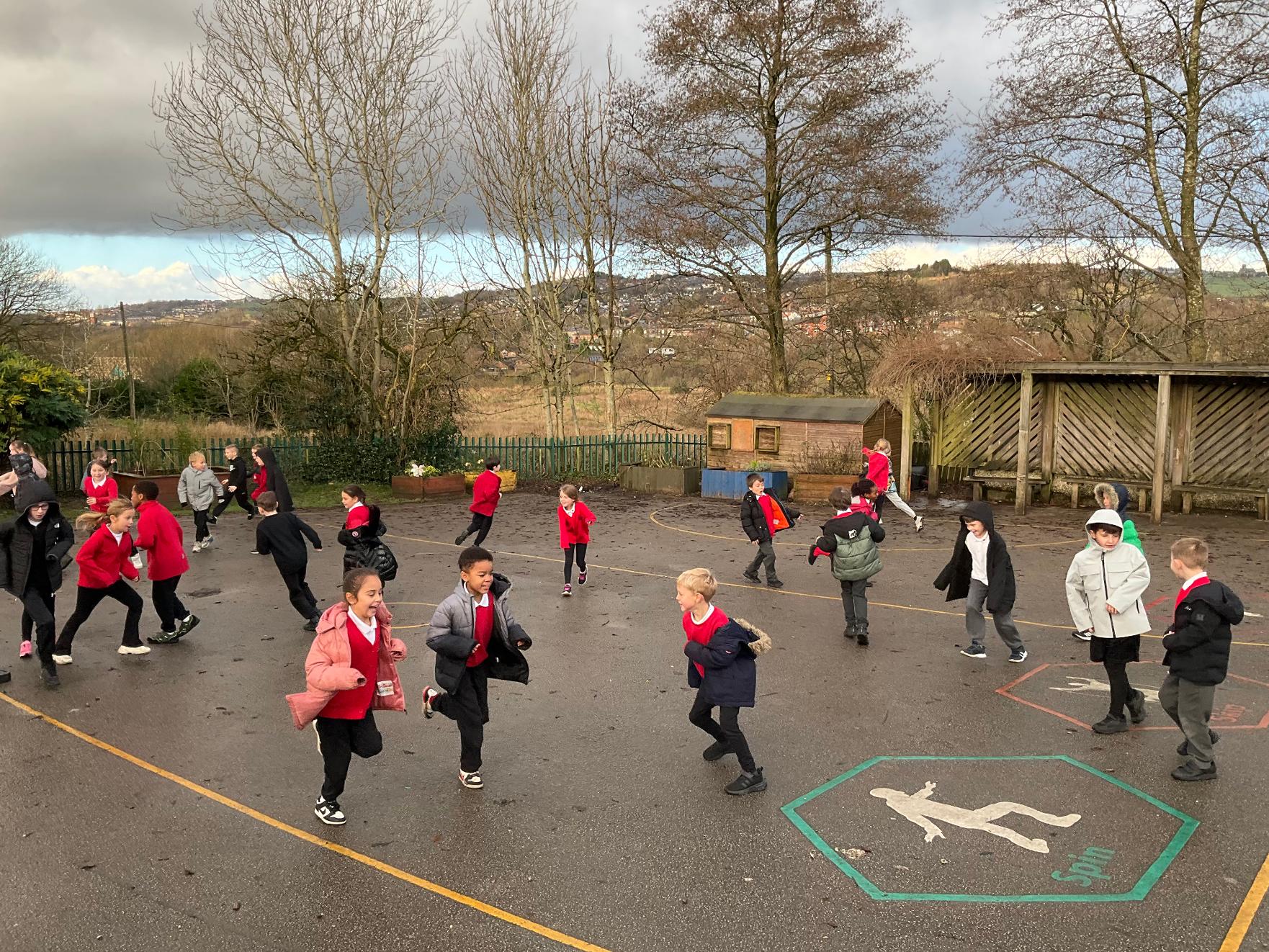
To explore the properties of solids, liquids, and gases, children used movement to represent each state. They stood in rigid formations to mimic solids, moved fluidly as liquids, and spread out with quick movements to demonstrate gases. This engaging activity helped them visualize and understand how particles behave in different states, reinforcing key scientific concepts in a fun and interactive way.



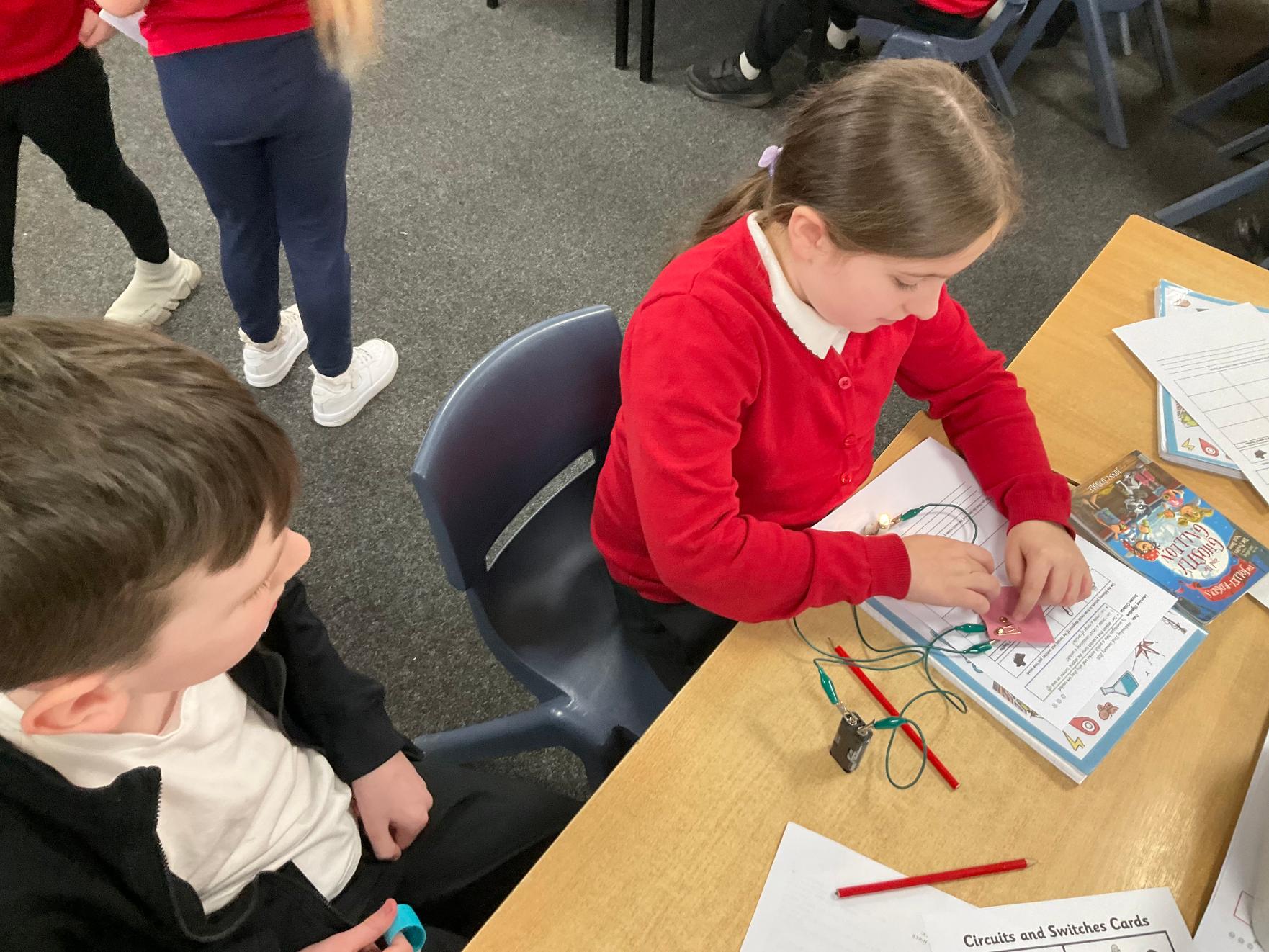
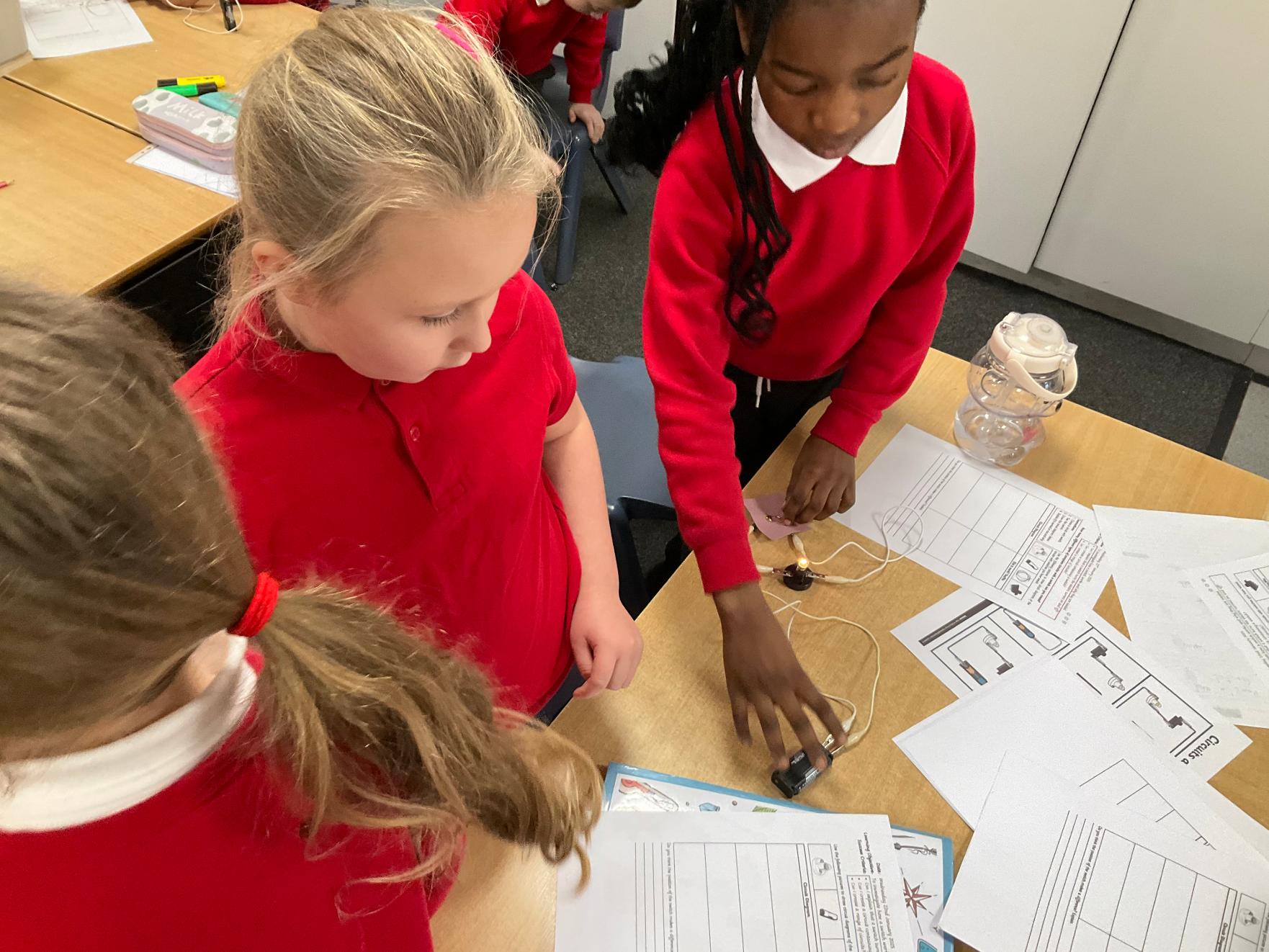
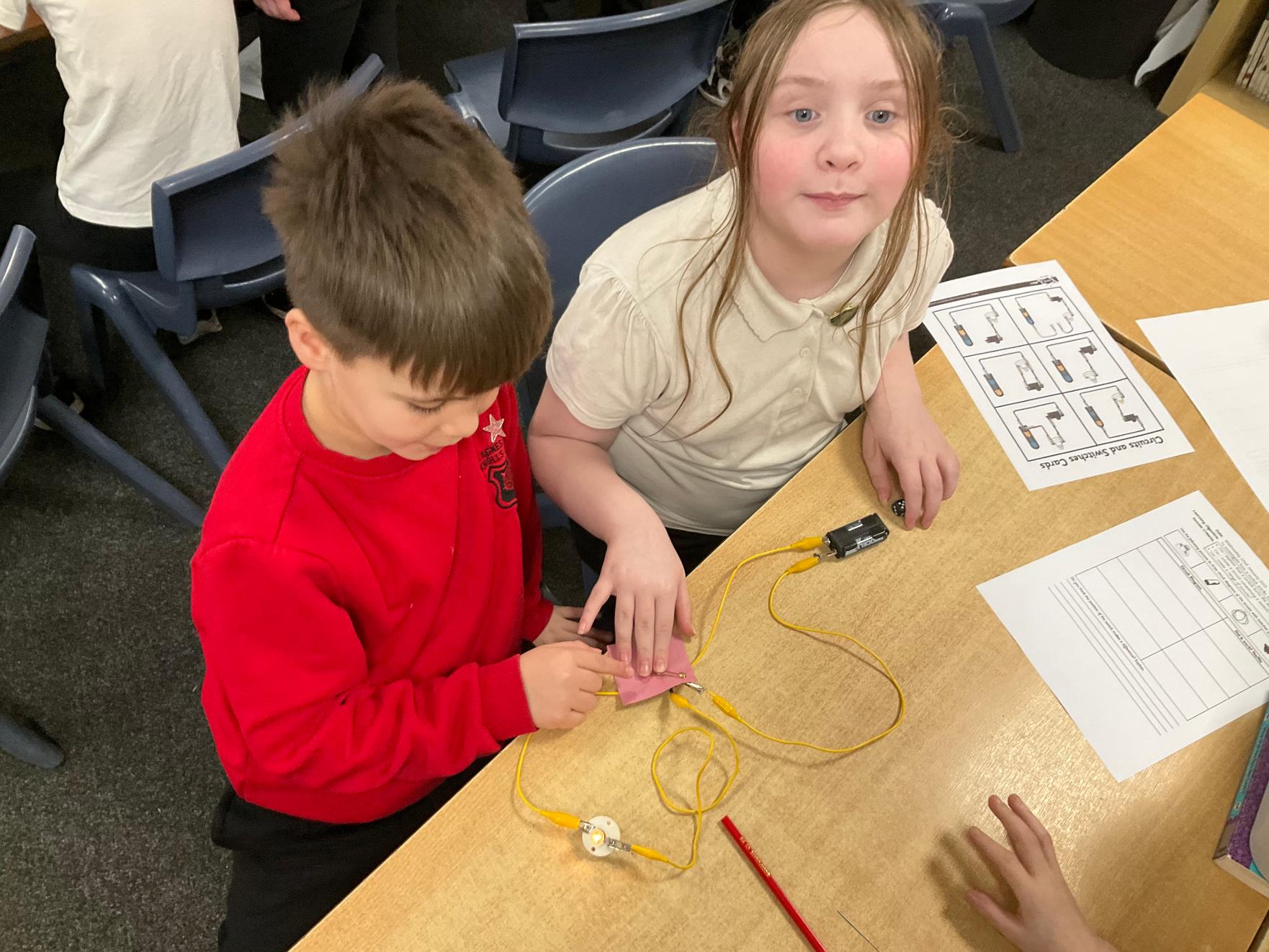


Class 3: Electricity Circuit Building - January 2025
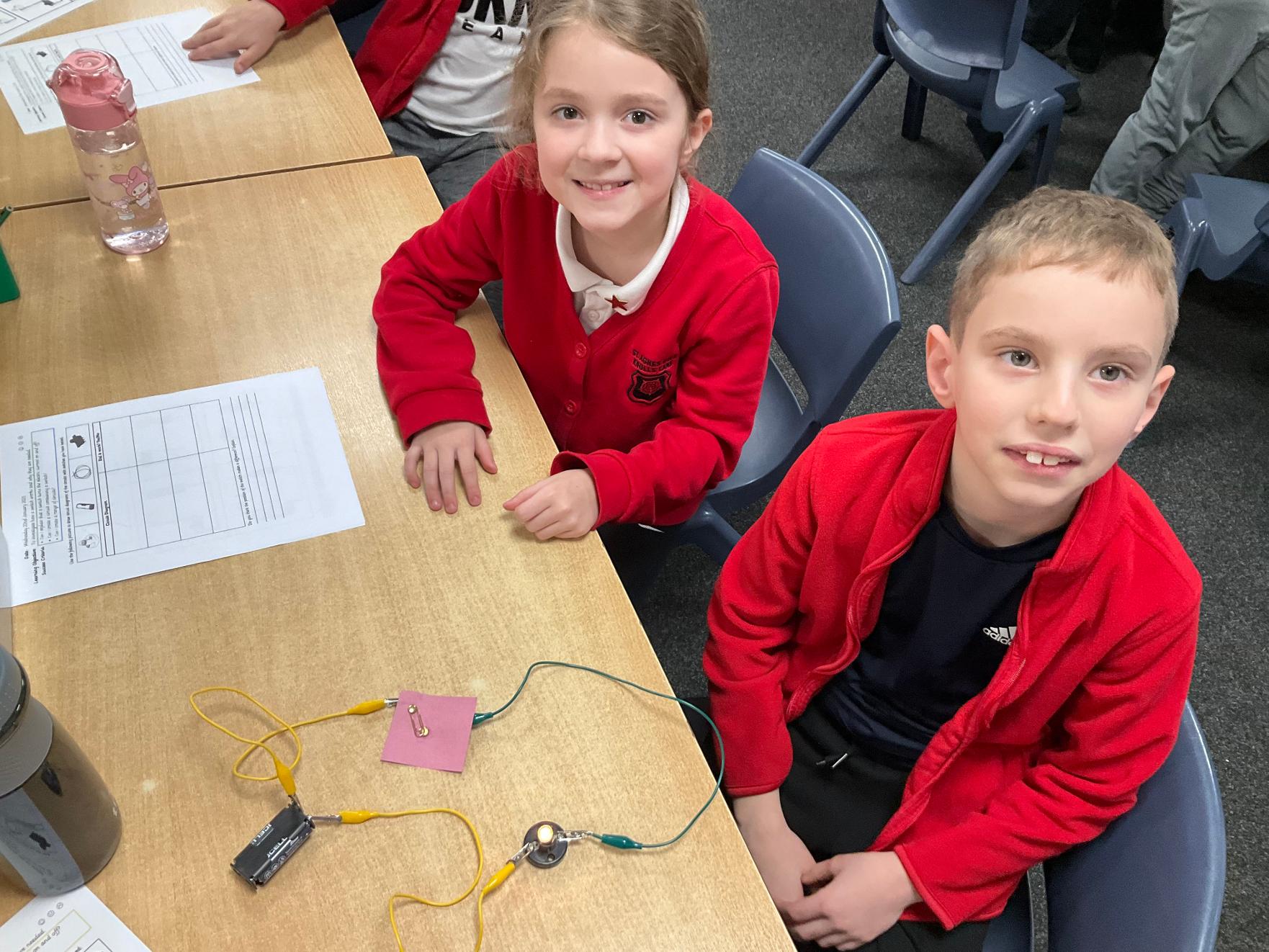
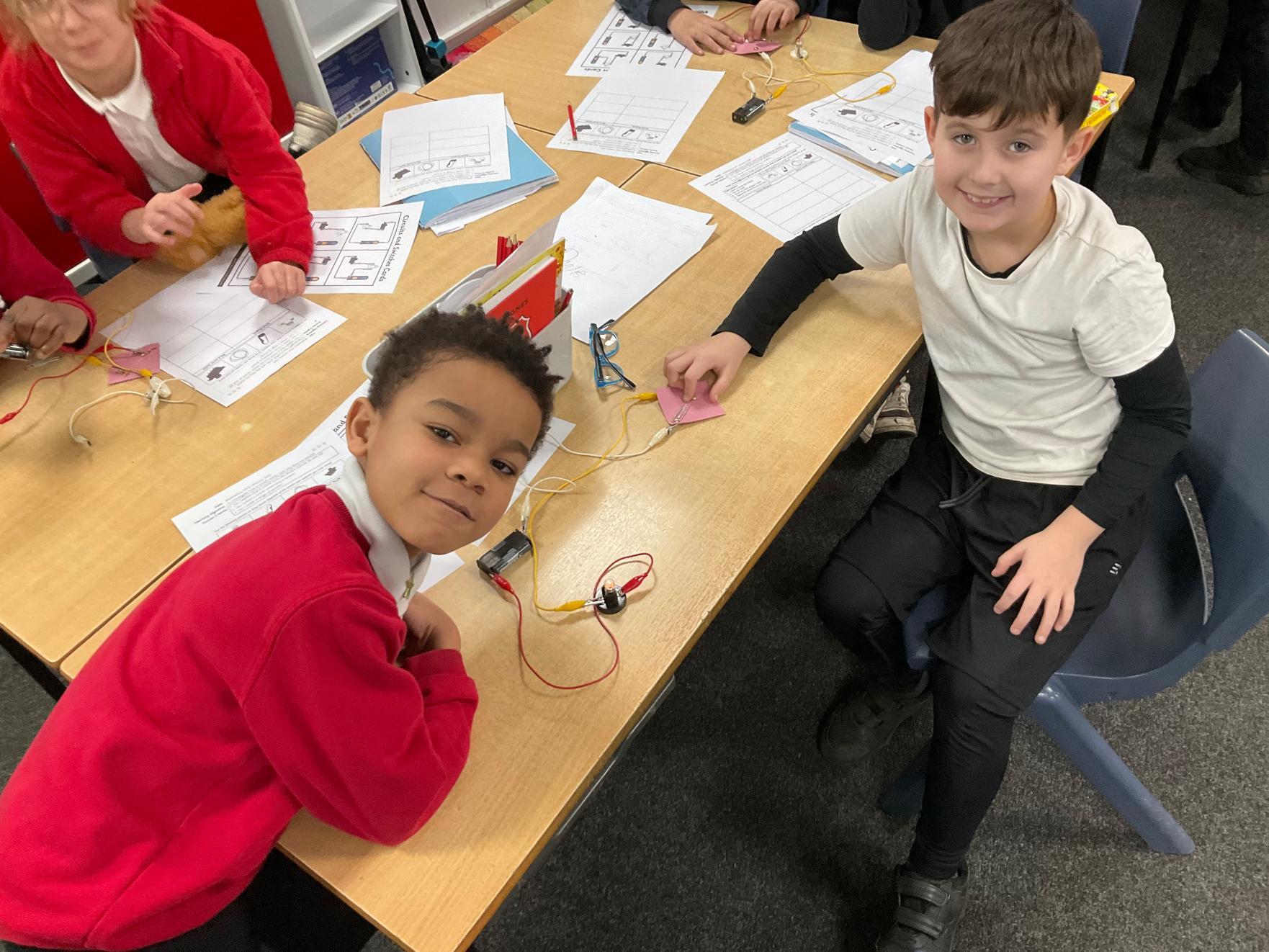
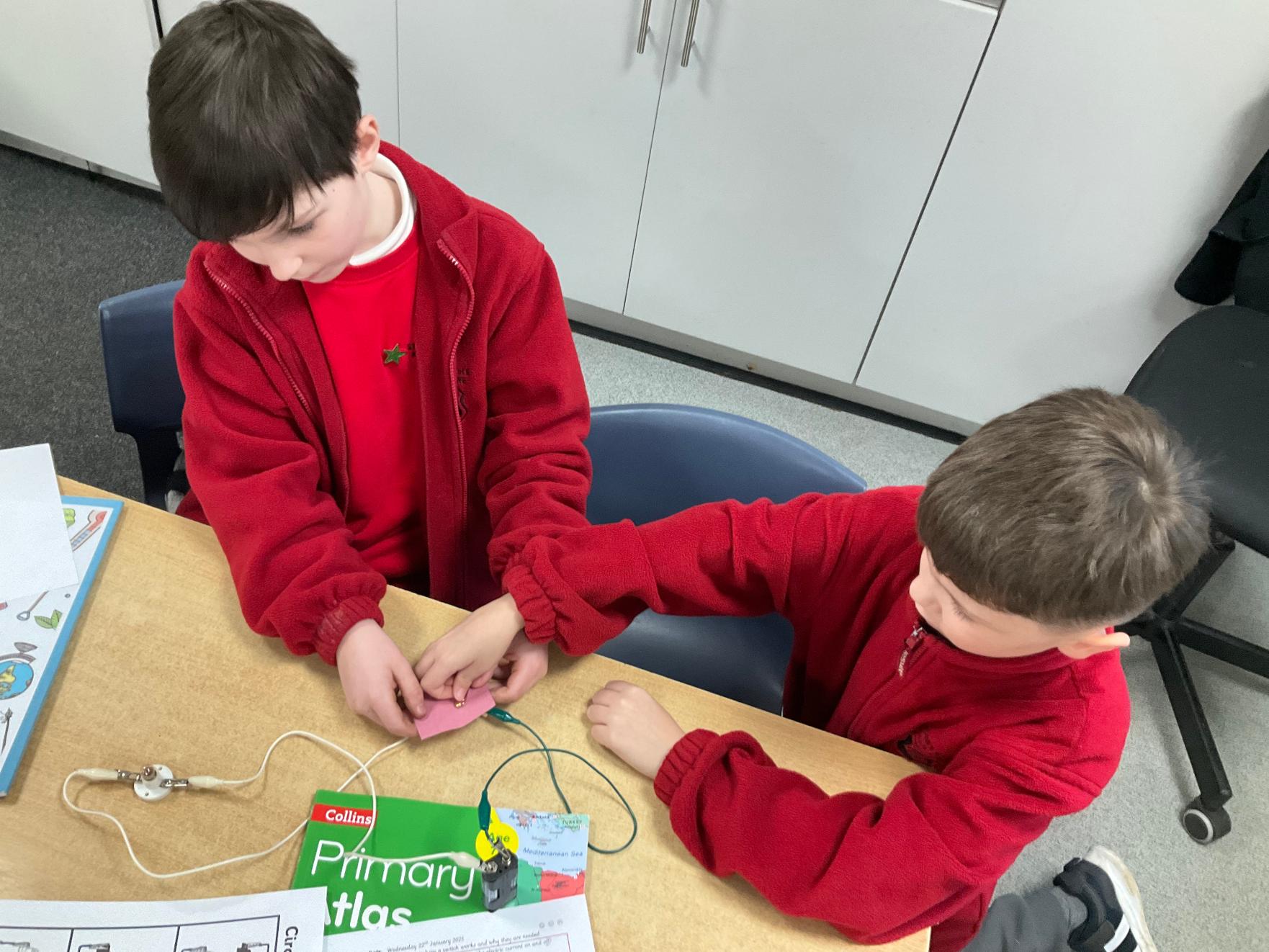
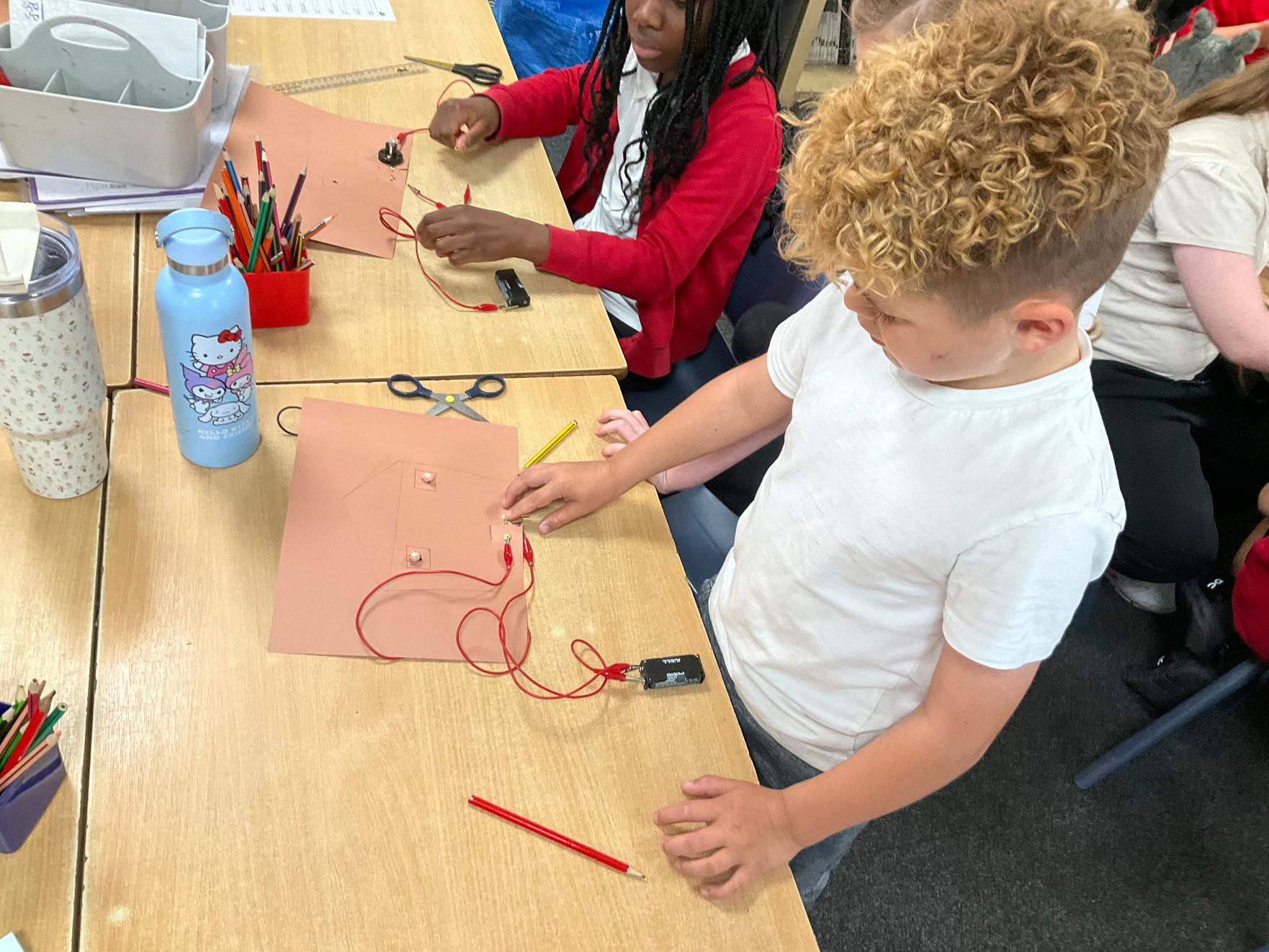
As part of their learning on electricity, children explored how to create a complete circuit. Working together, they successfully connected components to light a bulb and then experimented with adding switches to control the flow of electricity. They also practiced accurately drawing circuit diagrams, developing their understanding of electrical components and how they work in real-world applications.


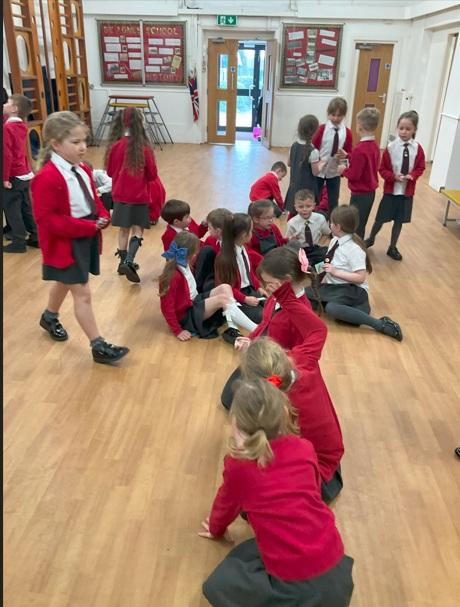
Class 2: Food Chains - March 2025
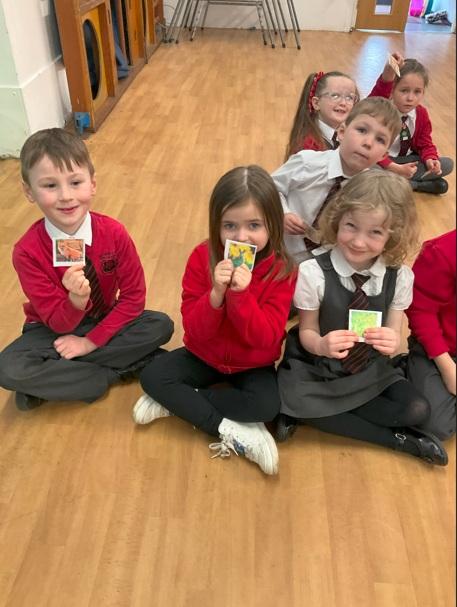
We are learning about food chains. We played a game called silent food chains and had to link up with animals and plants in the same food chain.


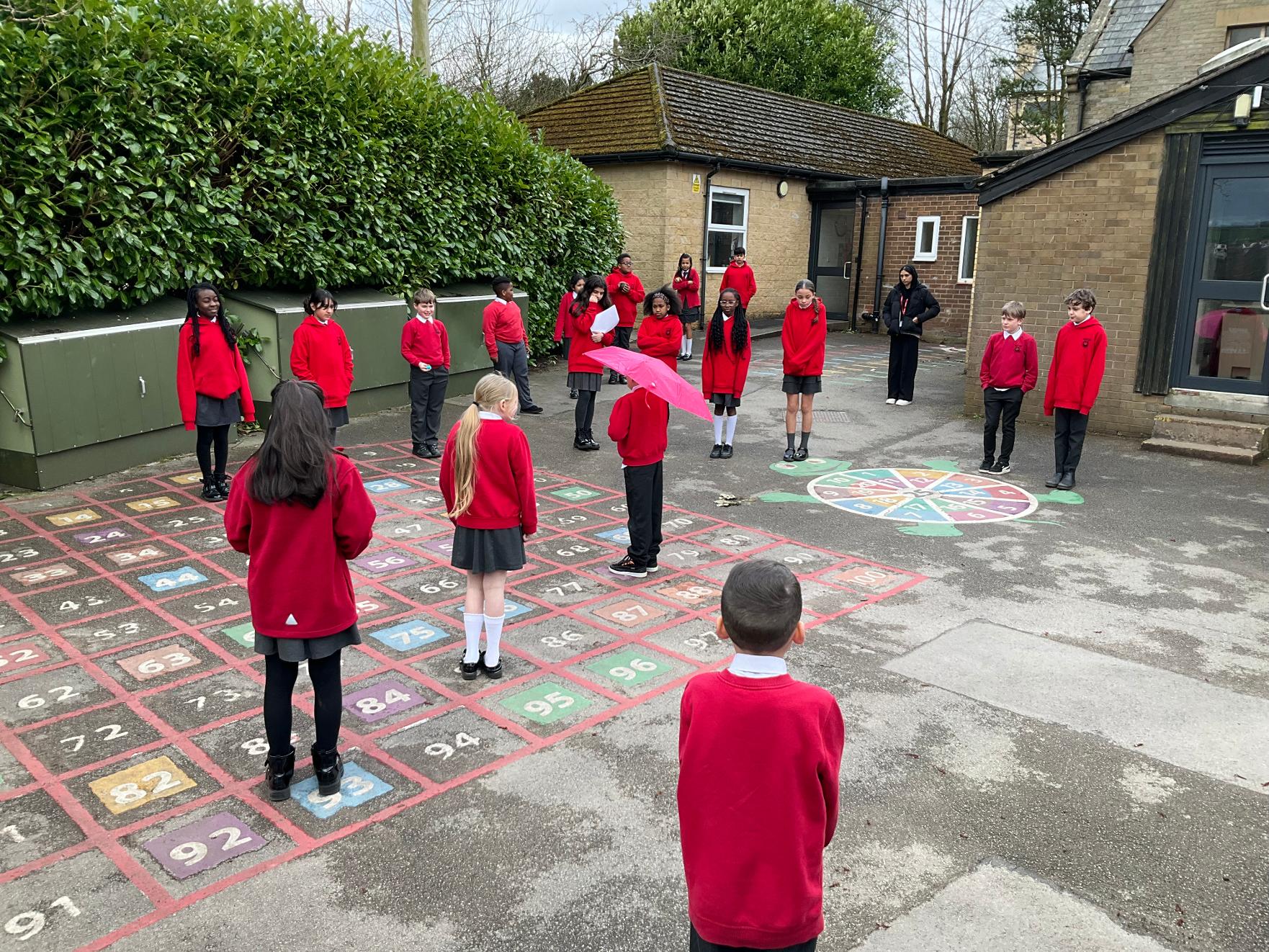
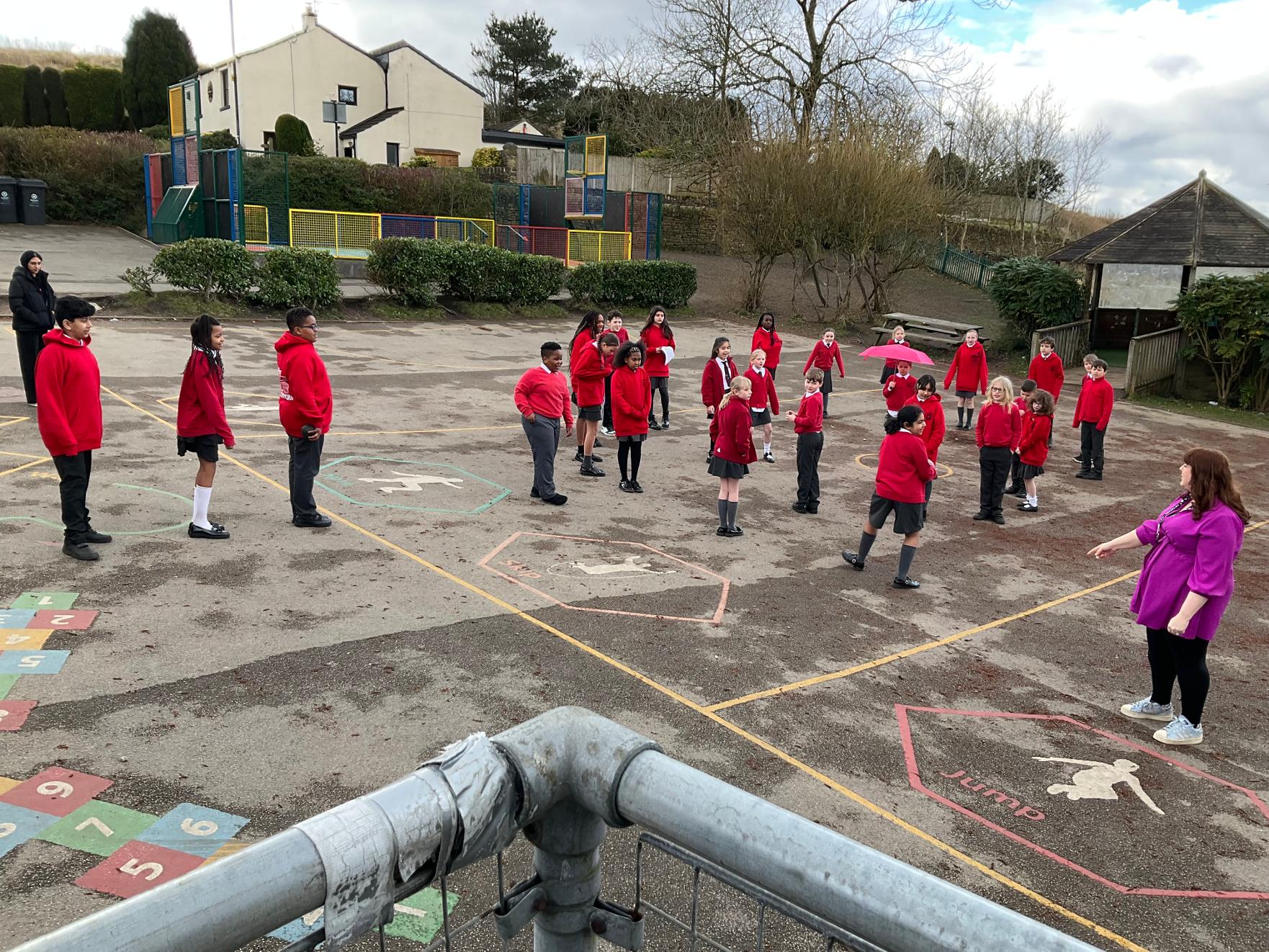

Class 4: The Solar System - March 2025
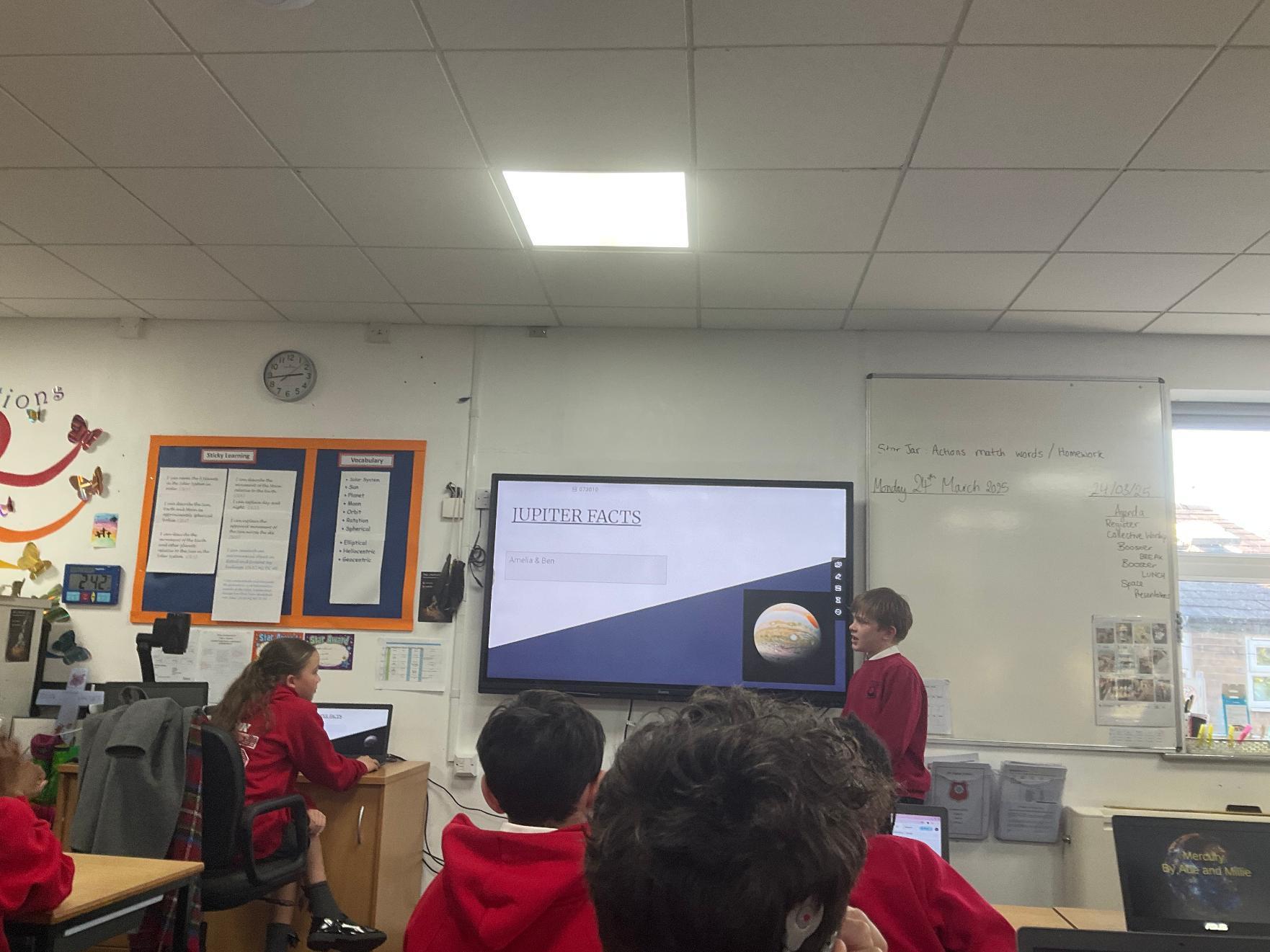
In our Space topic the children recreated our Solar System using different sized spheres and looked at the way the planets orbit the Sun, comparing heliocentric ideas to the geocentric model. They also created models of how the Sun, Moon and Earth move in relation to one another.
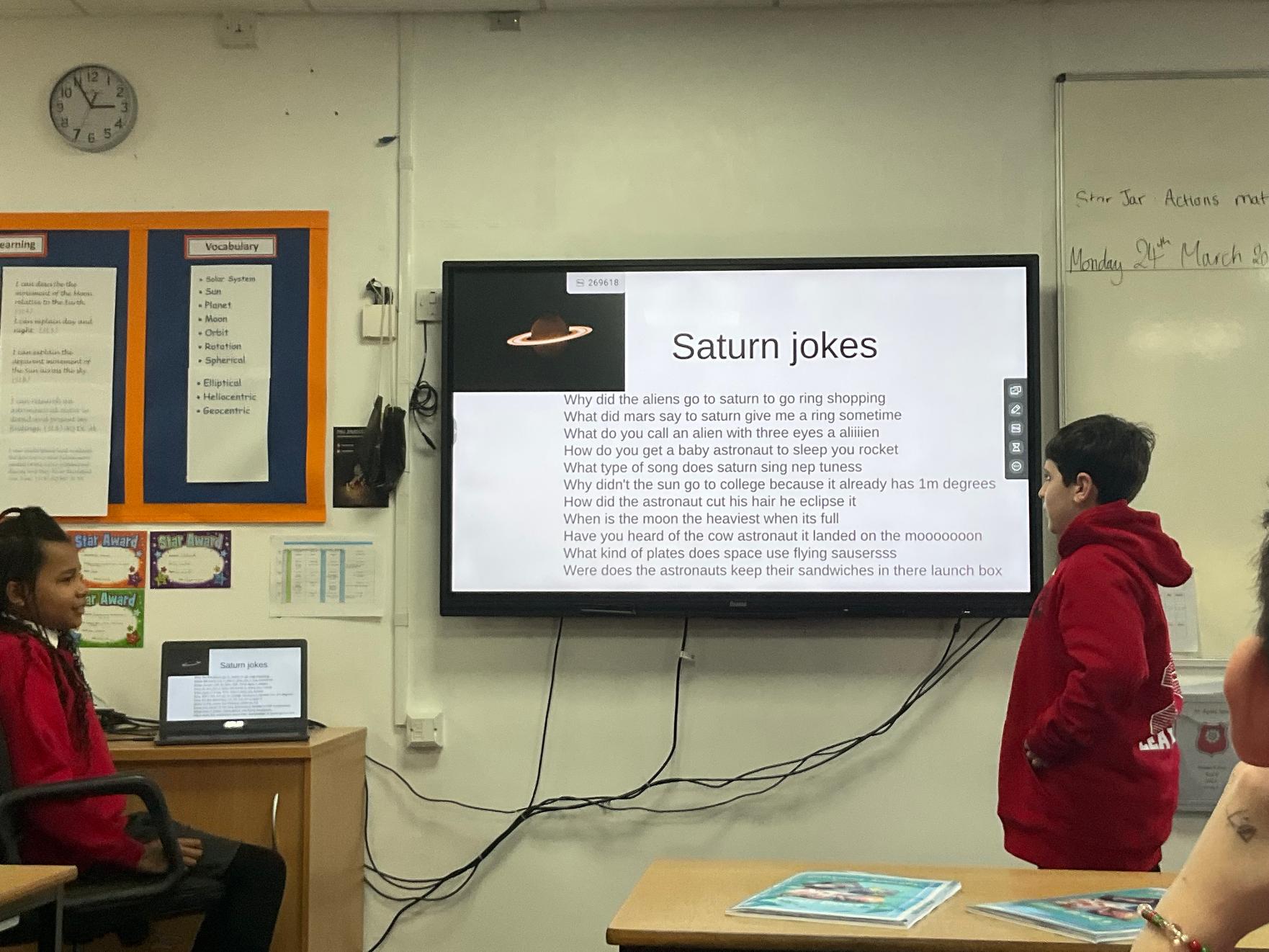
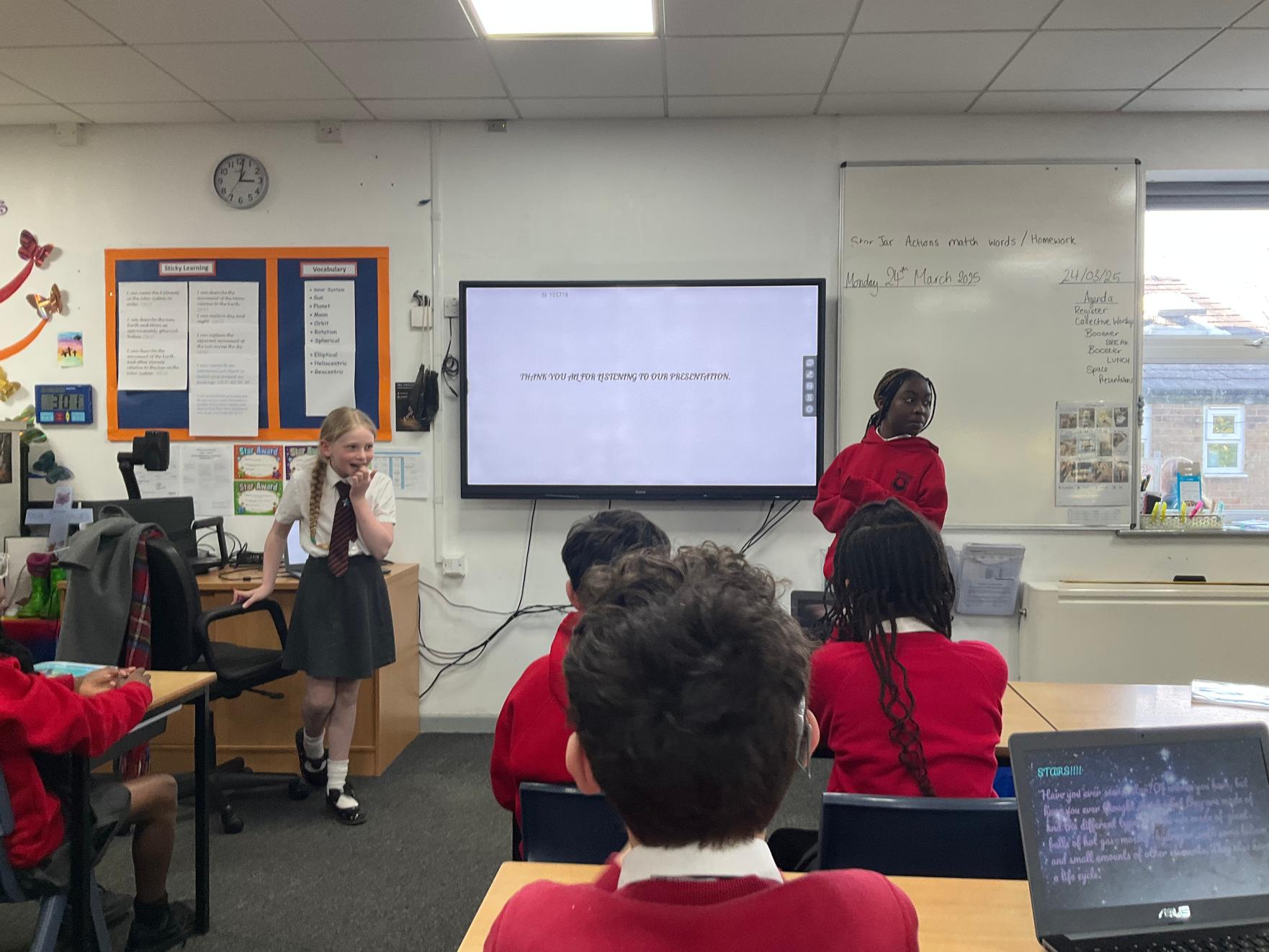
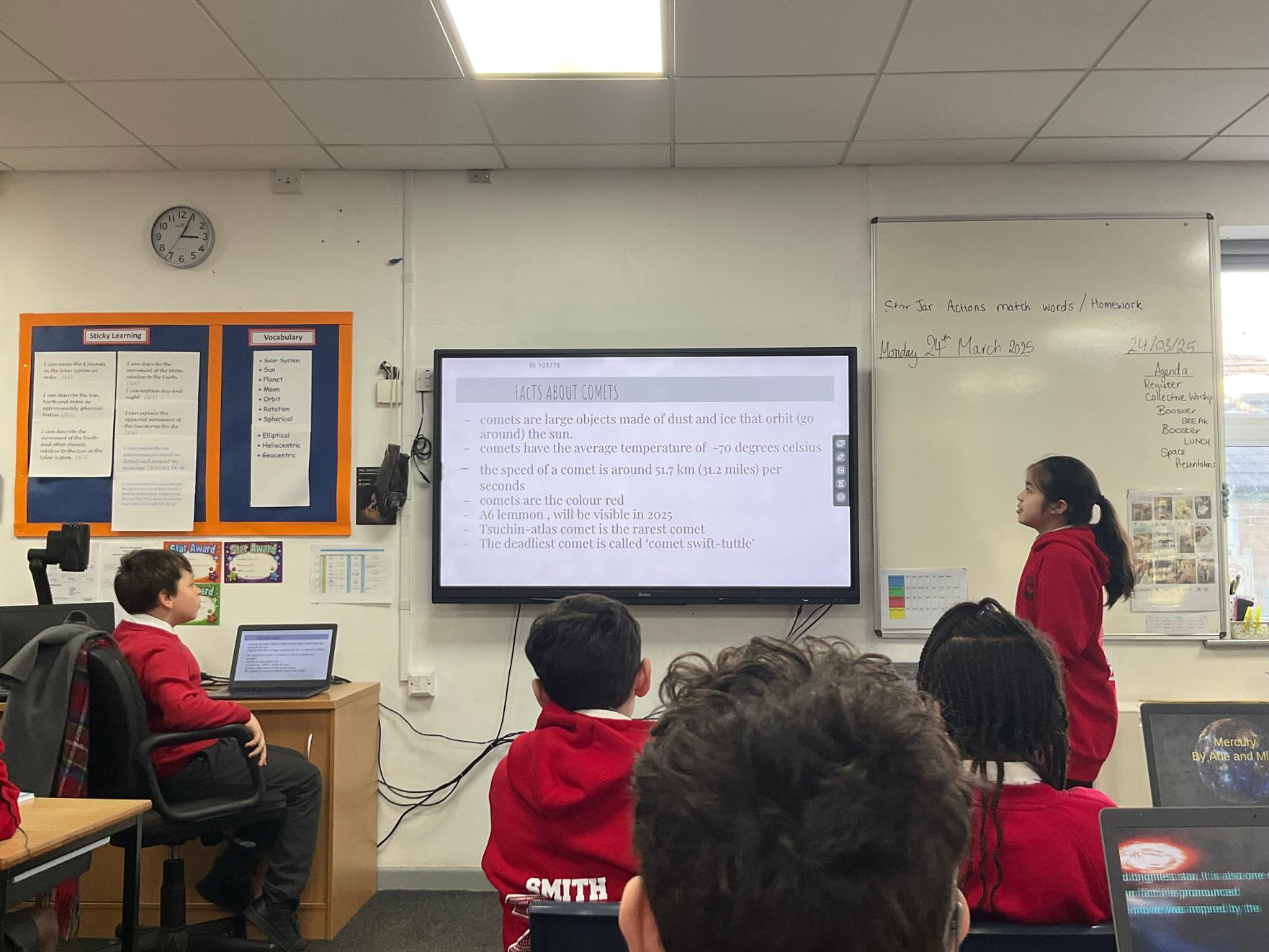
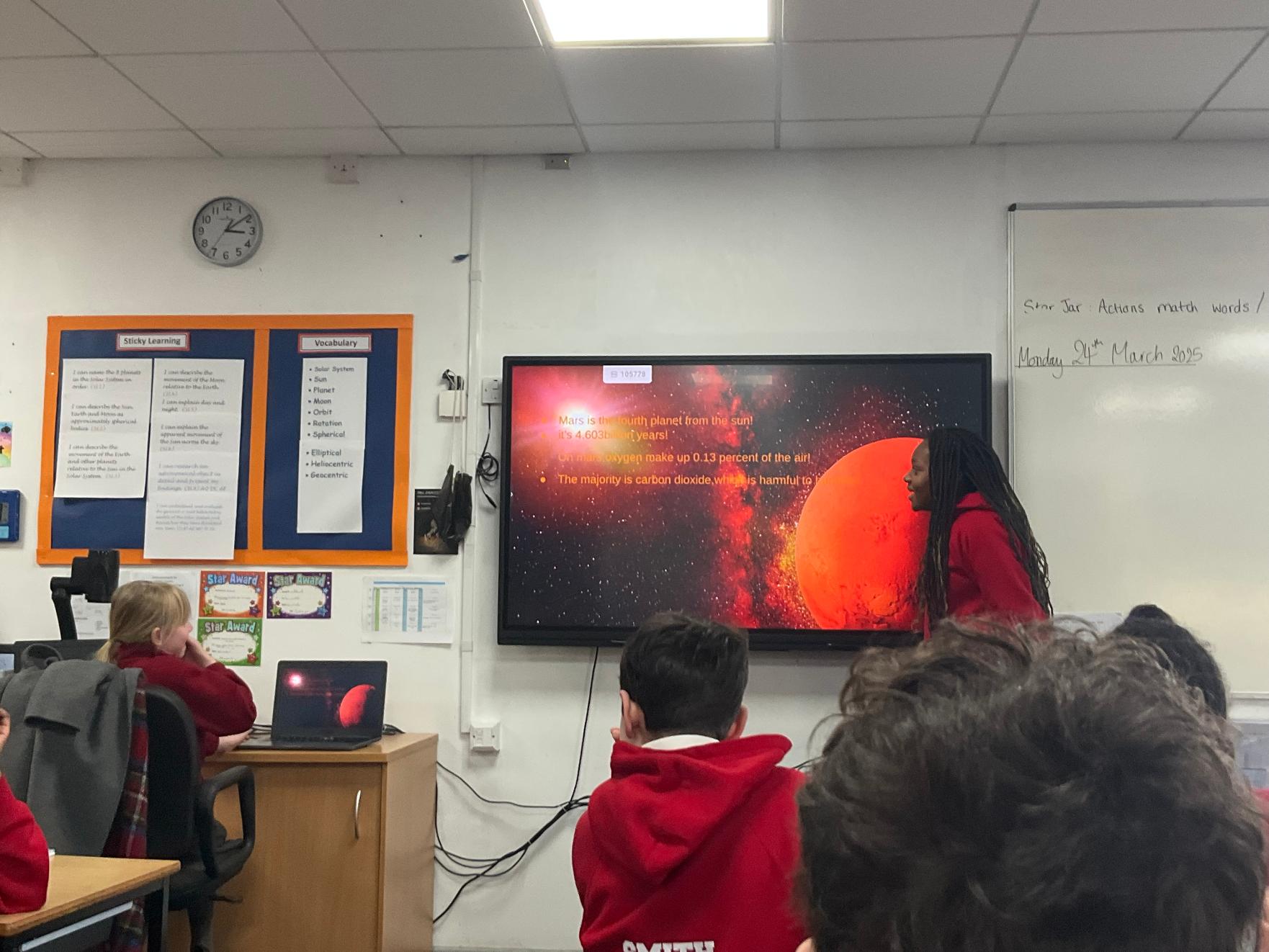
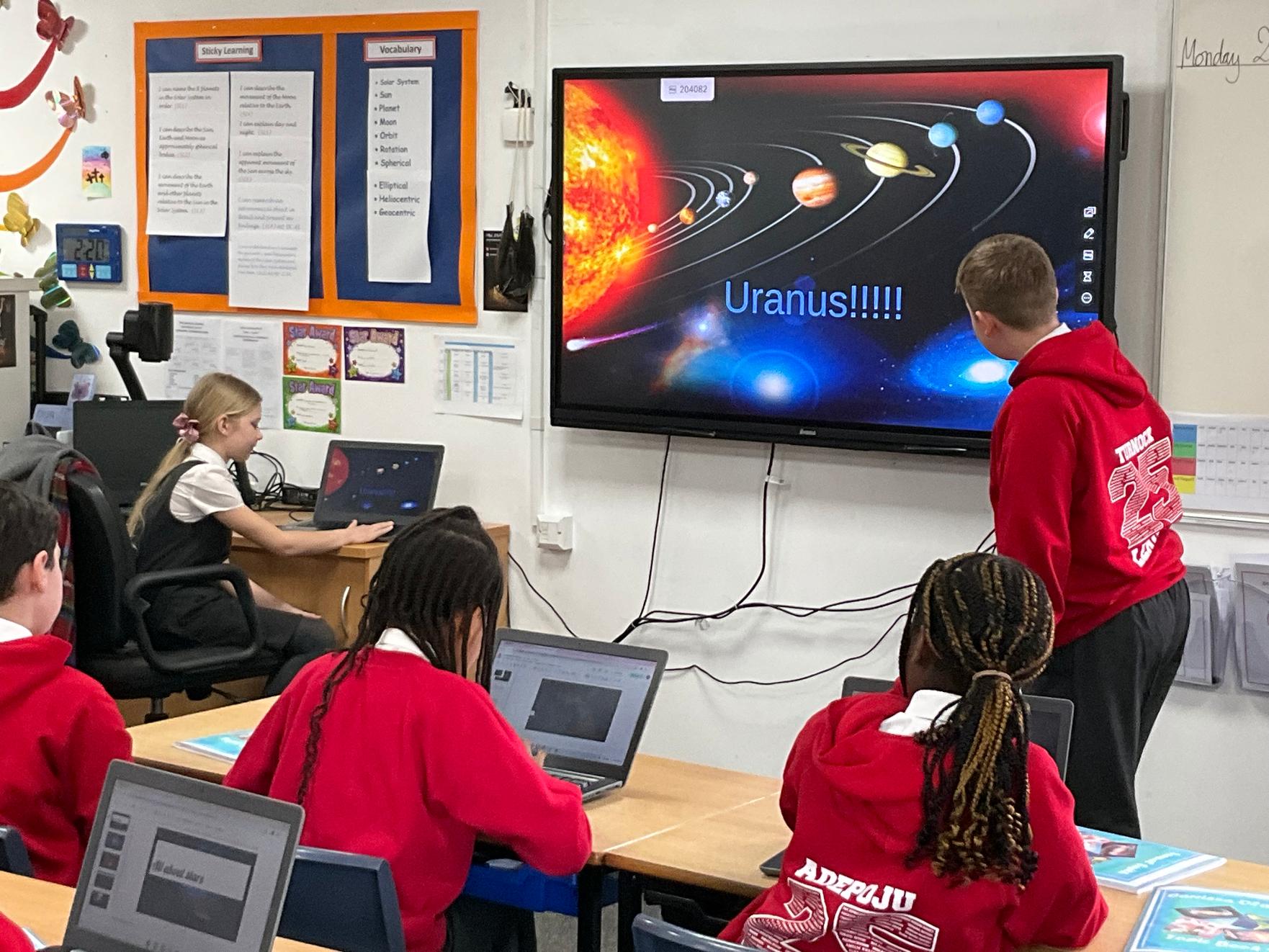


Class 4: Space Presentations - March 2025
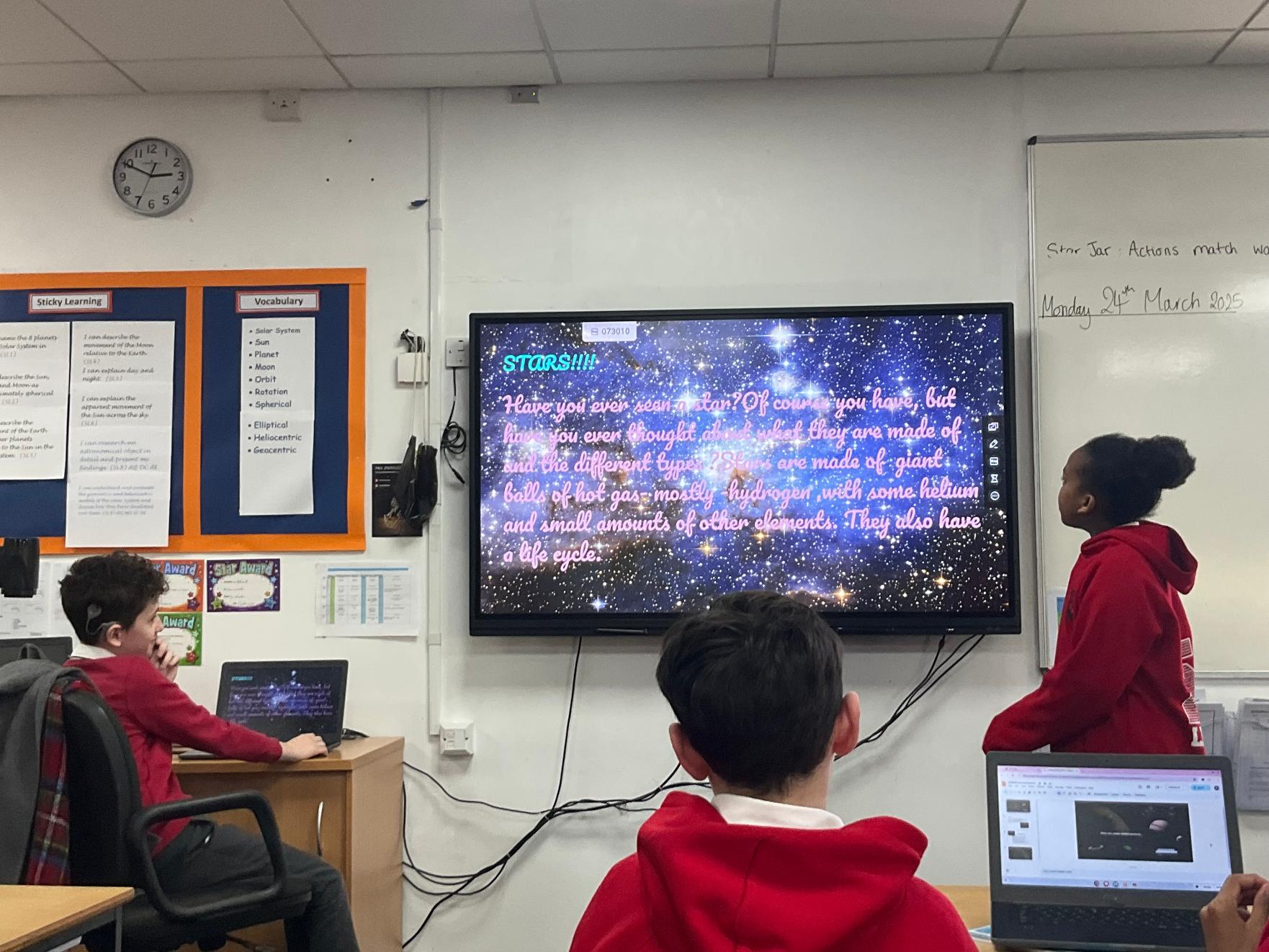
To finish our Space topic the children gave presentations as part of their Sticky Learning Assessment.


Class 1: Life Cycle of a Butterfly - May 2025
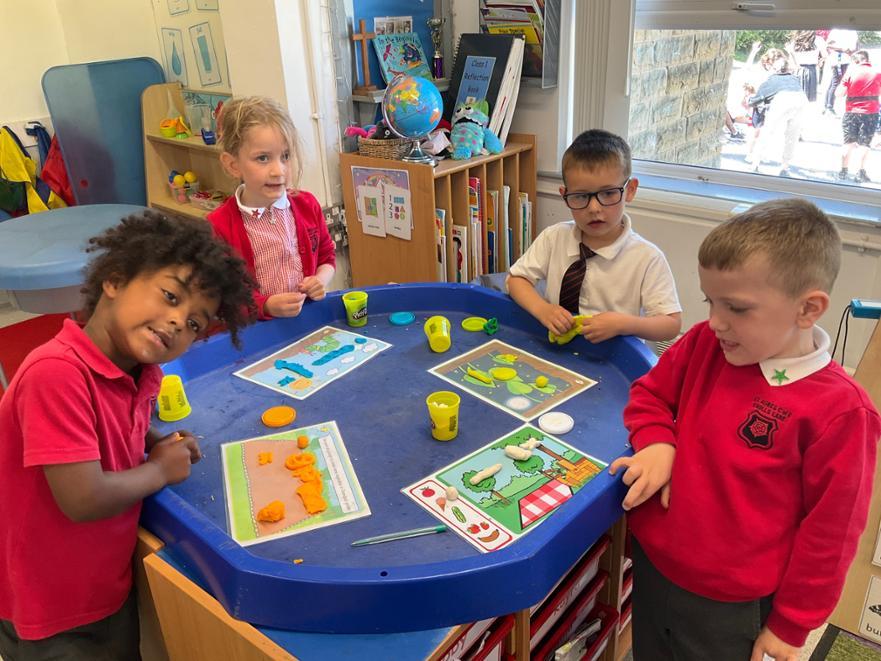
We made the different elements of the life cycle using playdough - We made an egg, caterpillar, cocoon and Butterfly.


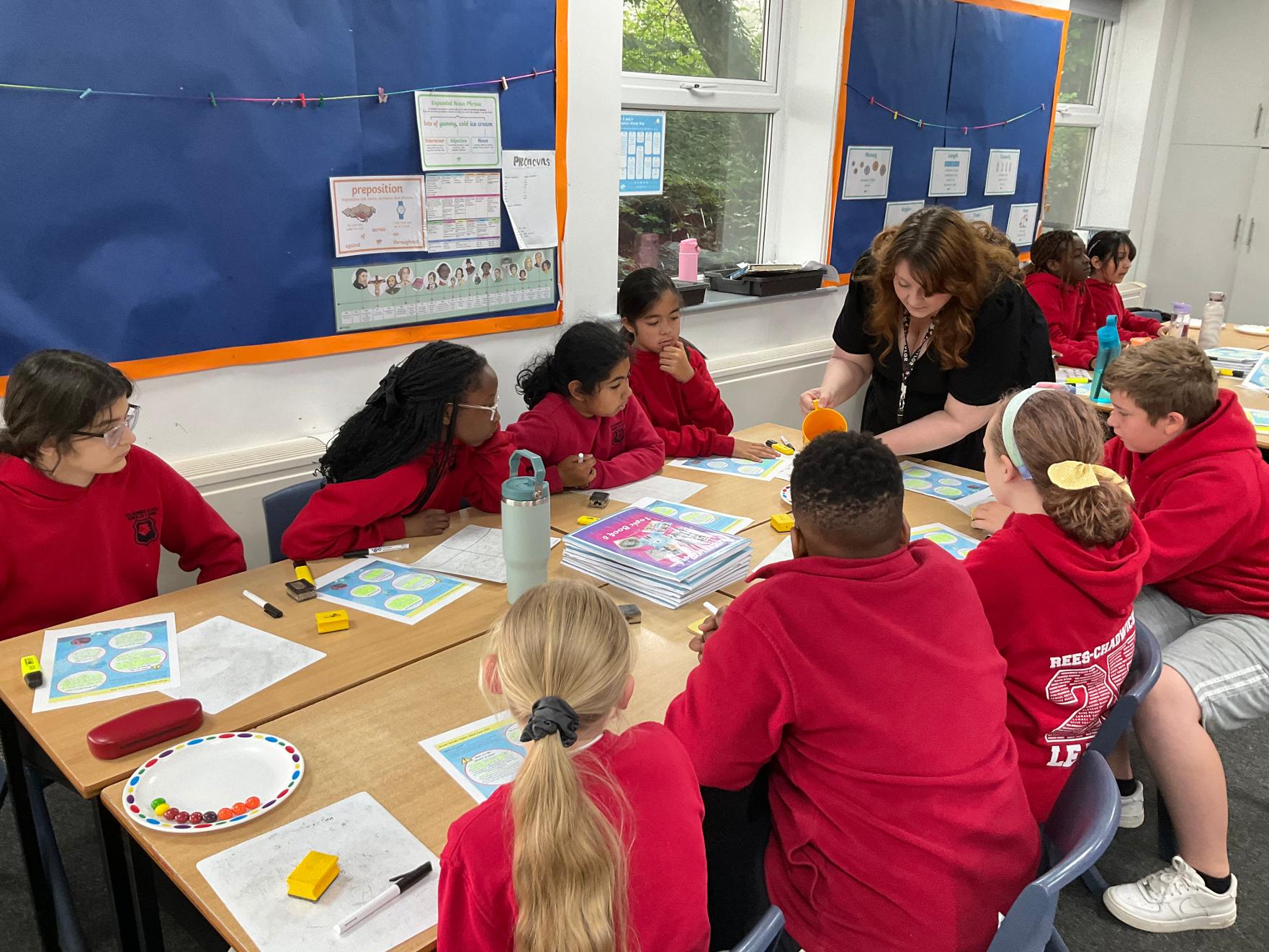
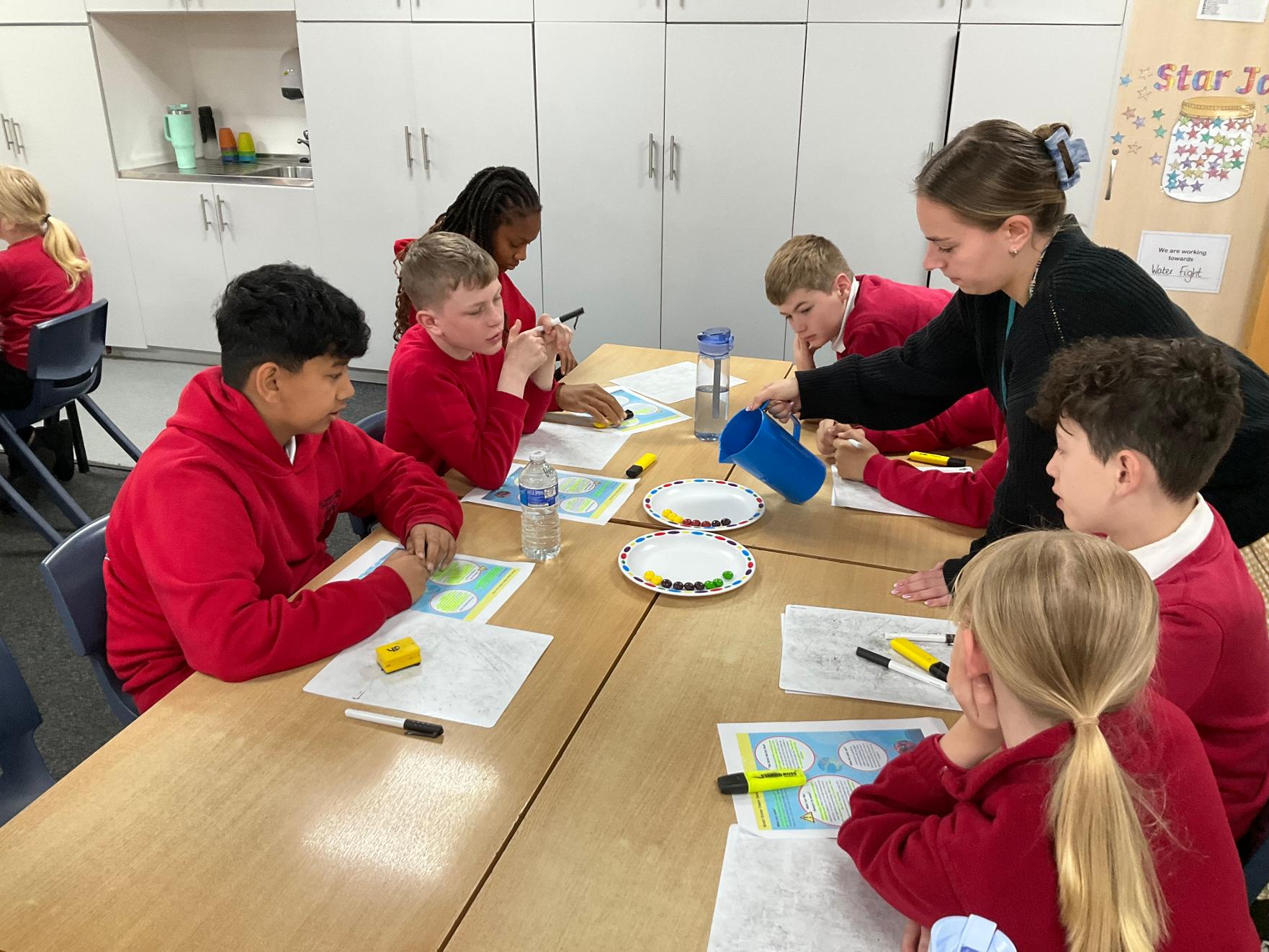


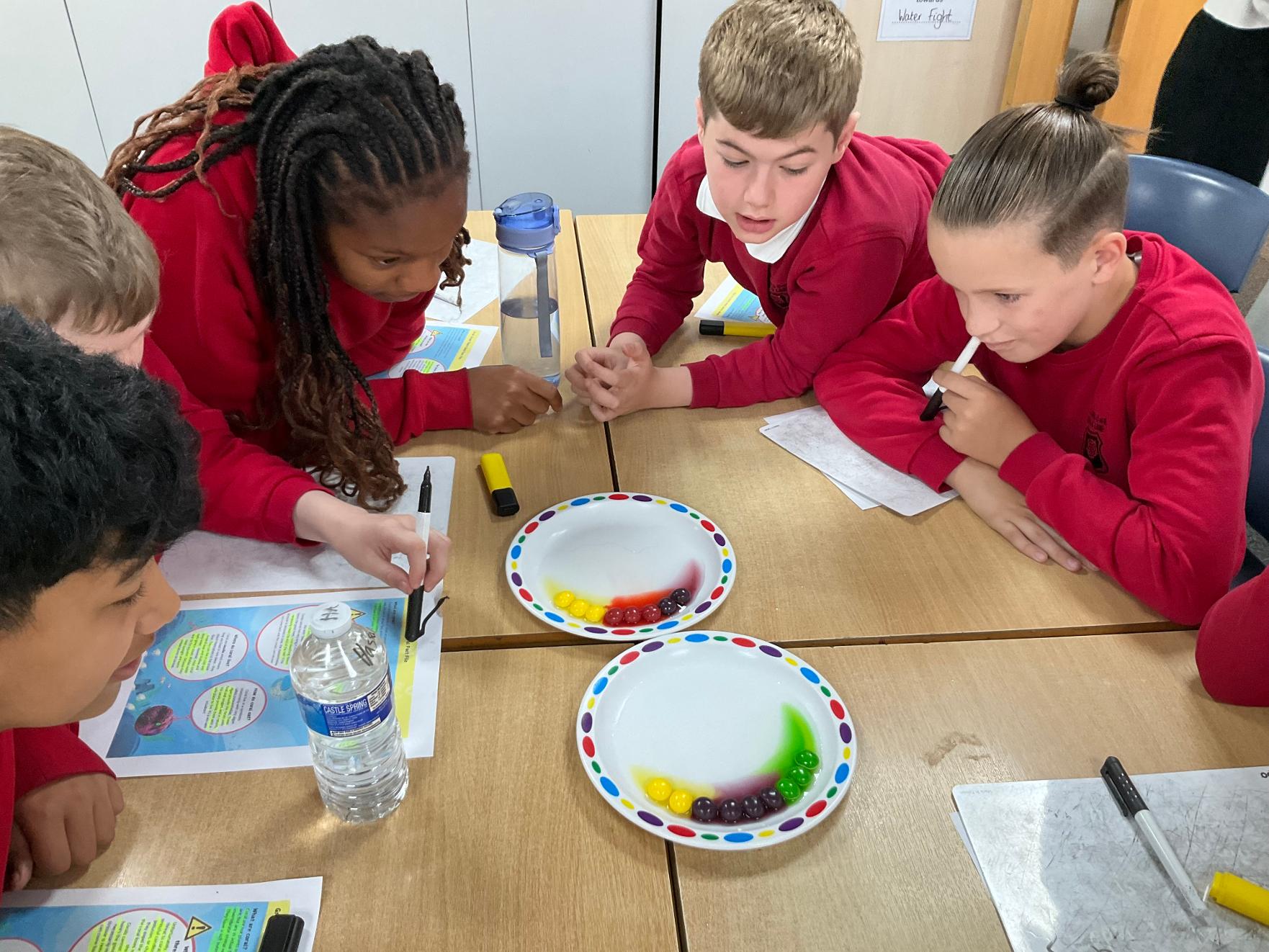
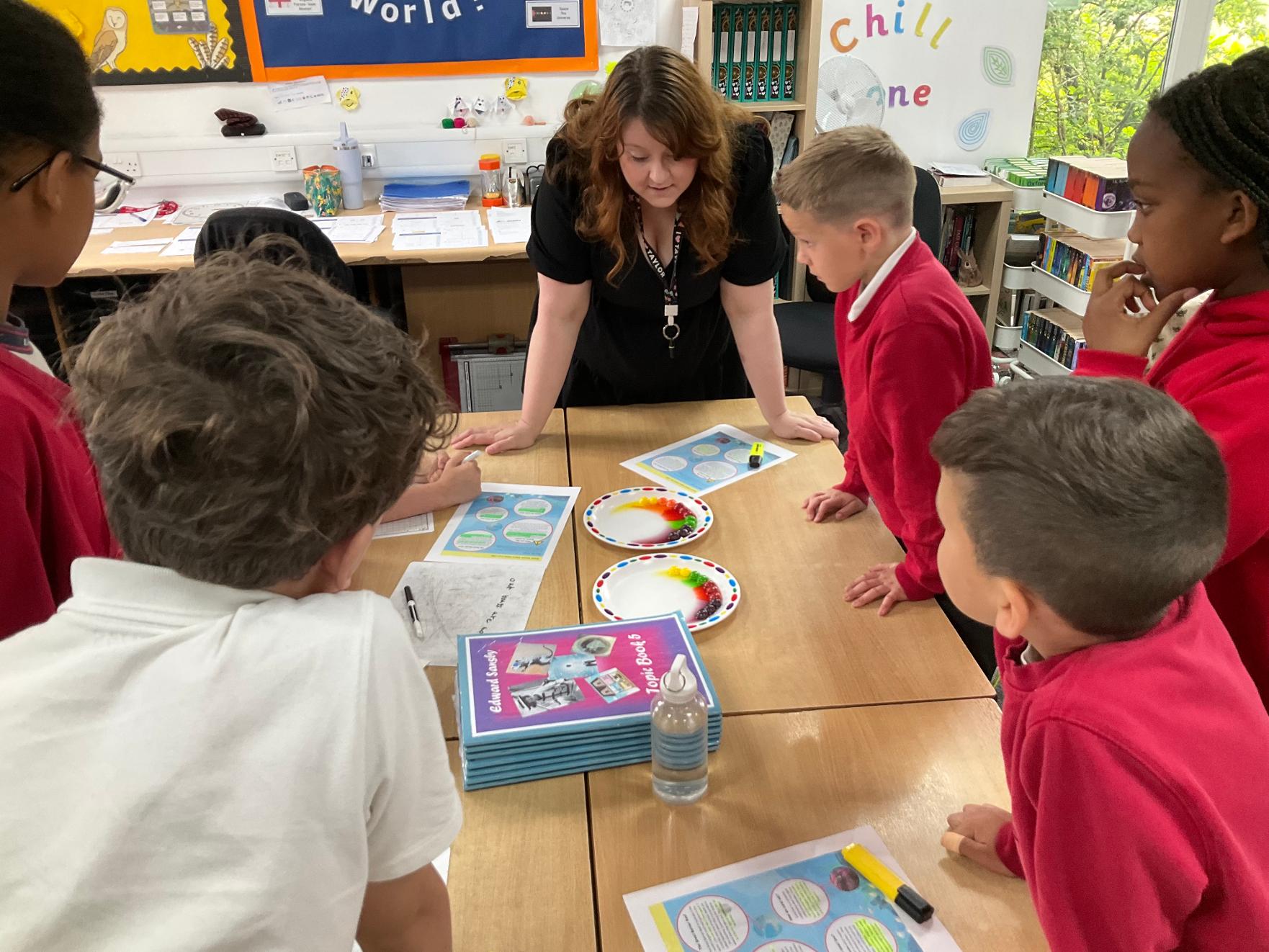
Class 4: Coral Bleaching Experiment - June 2025
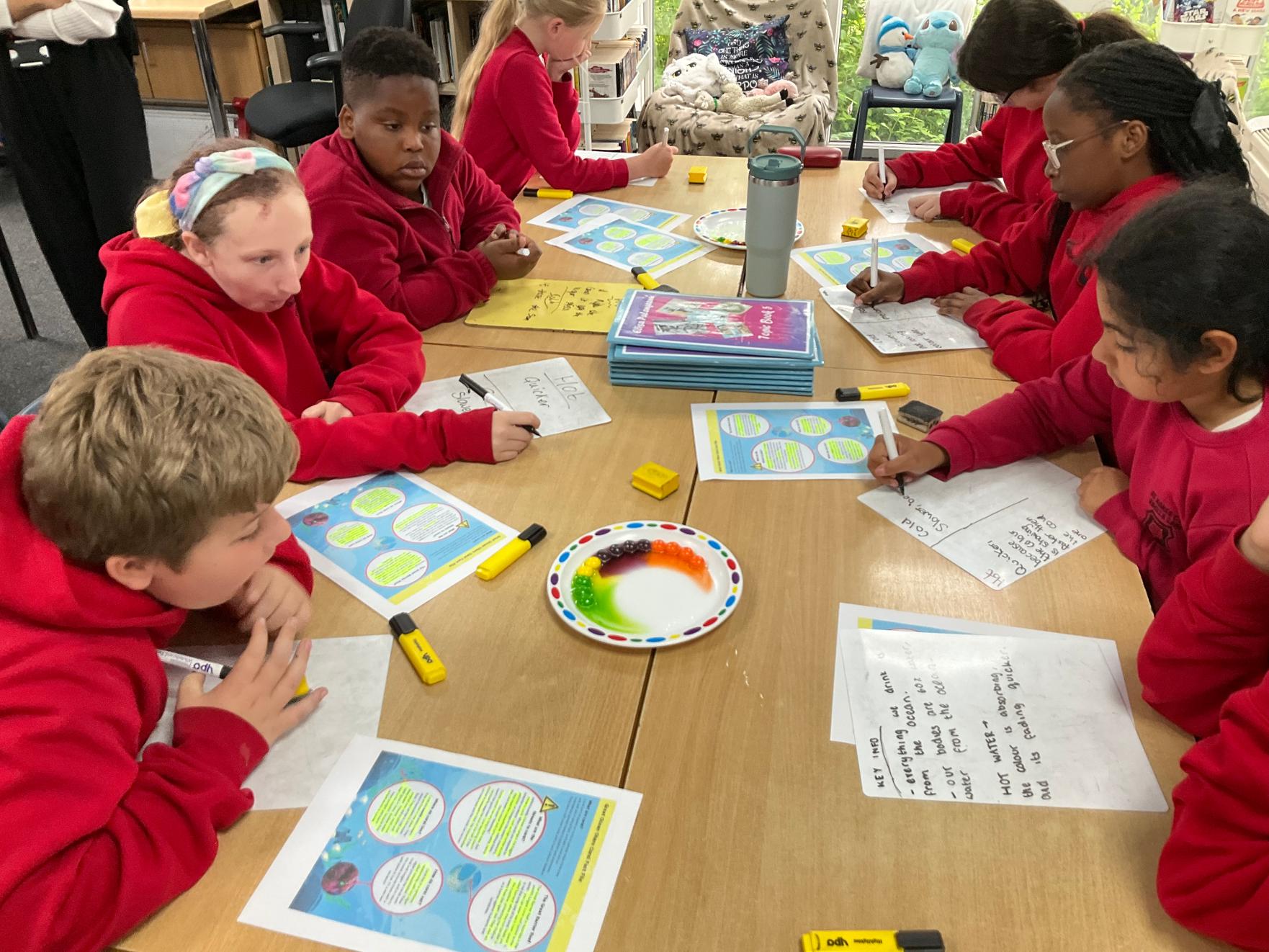
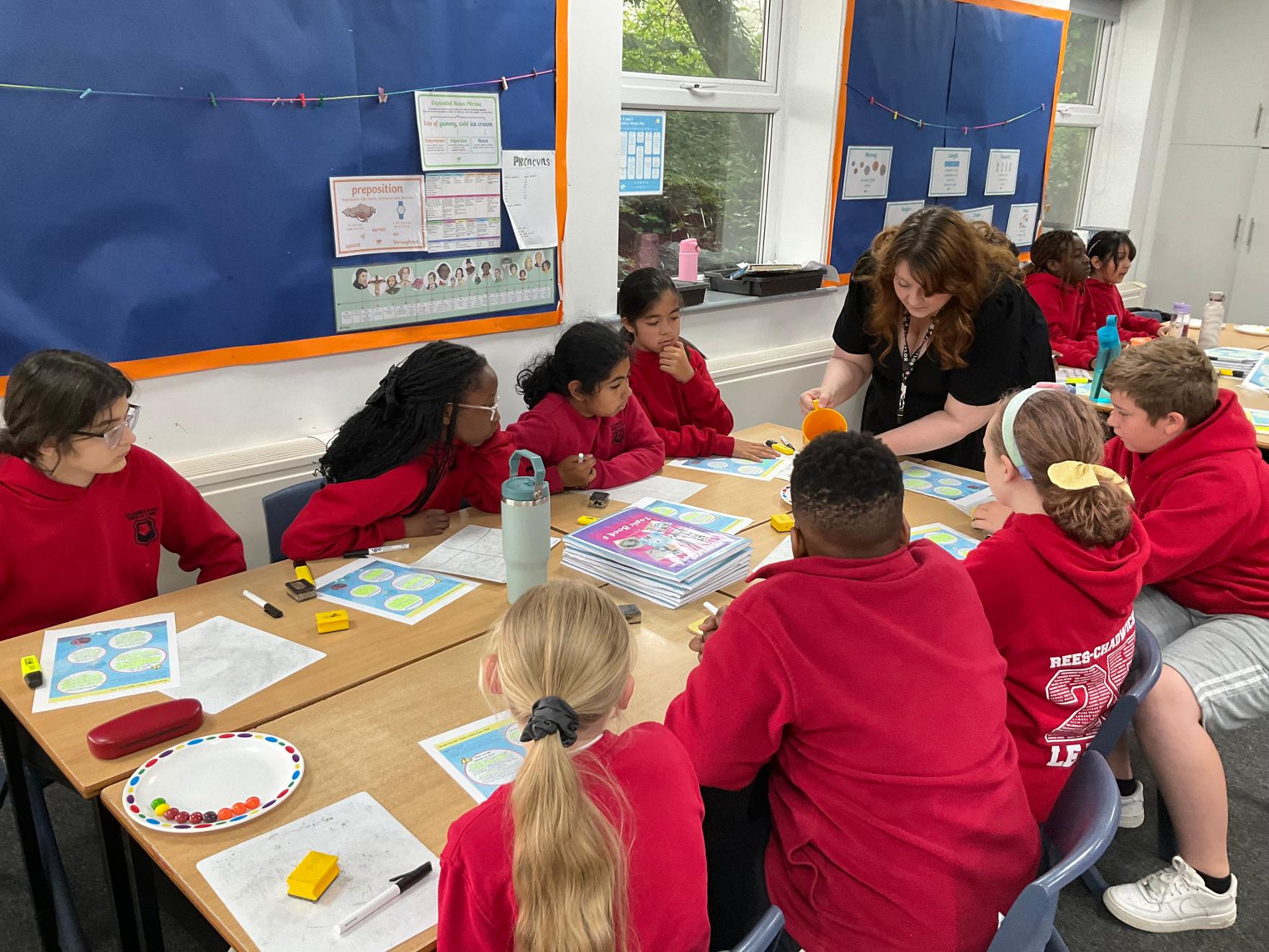
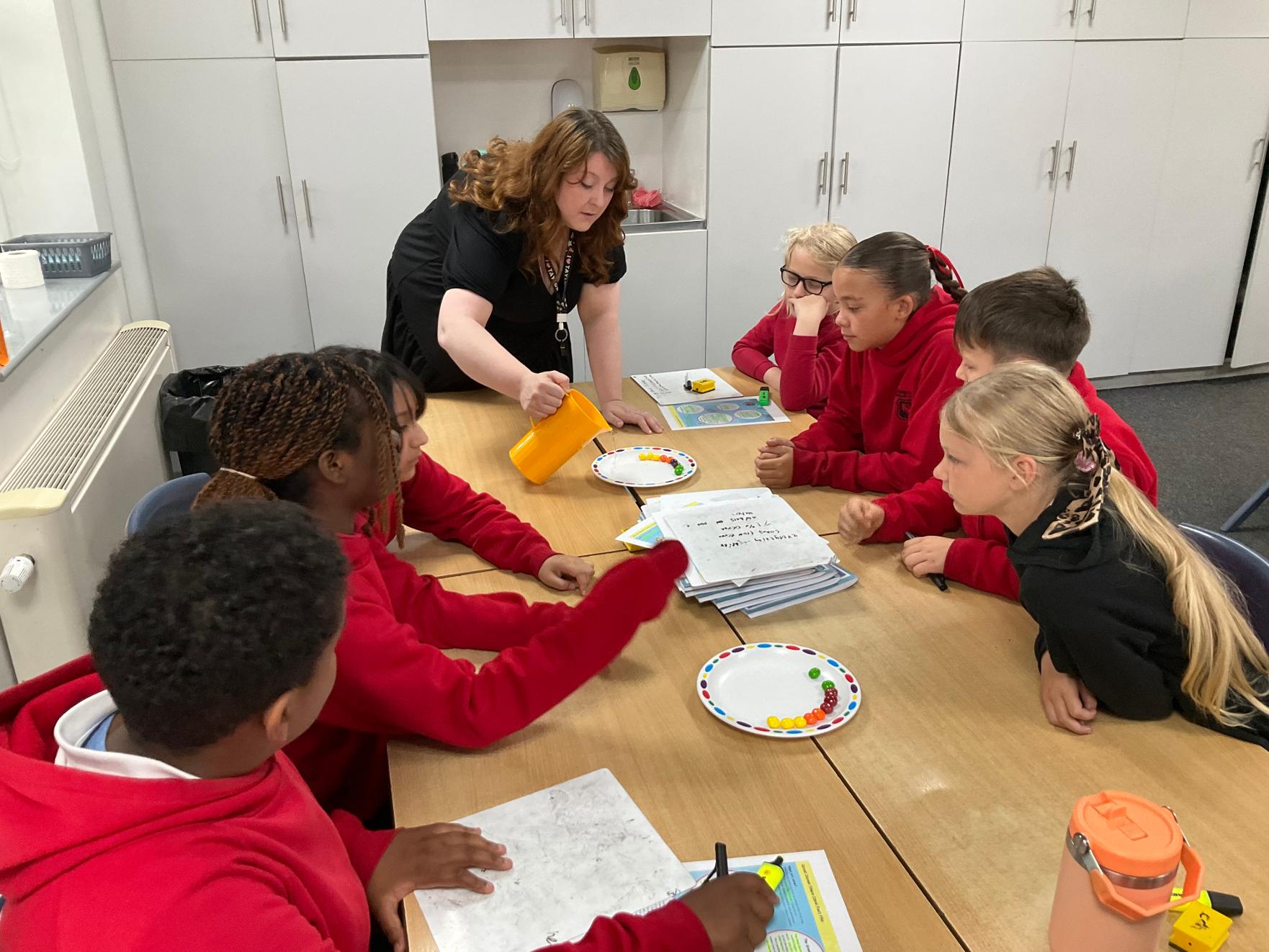
The children conducted an experiment (using Skittles!) into the effects of Coral Bleaching, making careful observations and relating their findings to their knowledge.

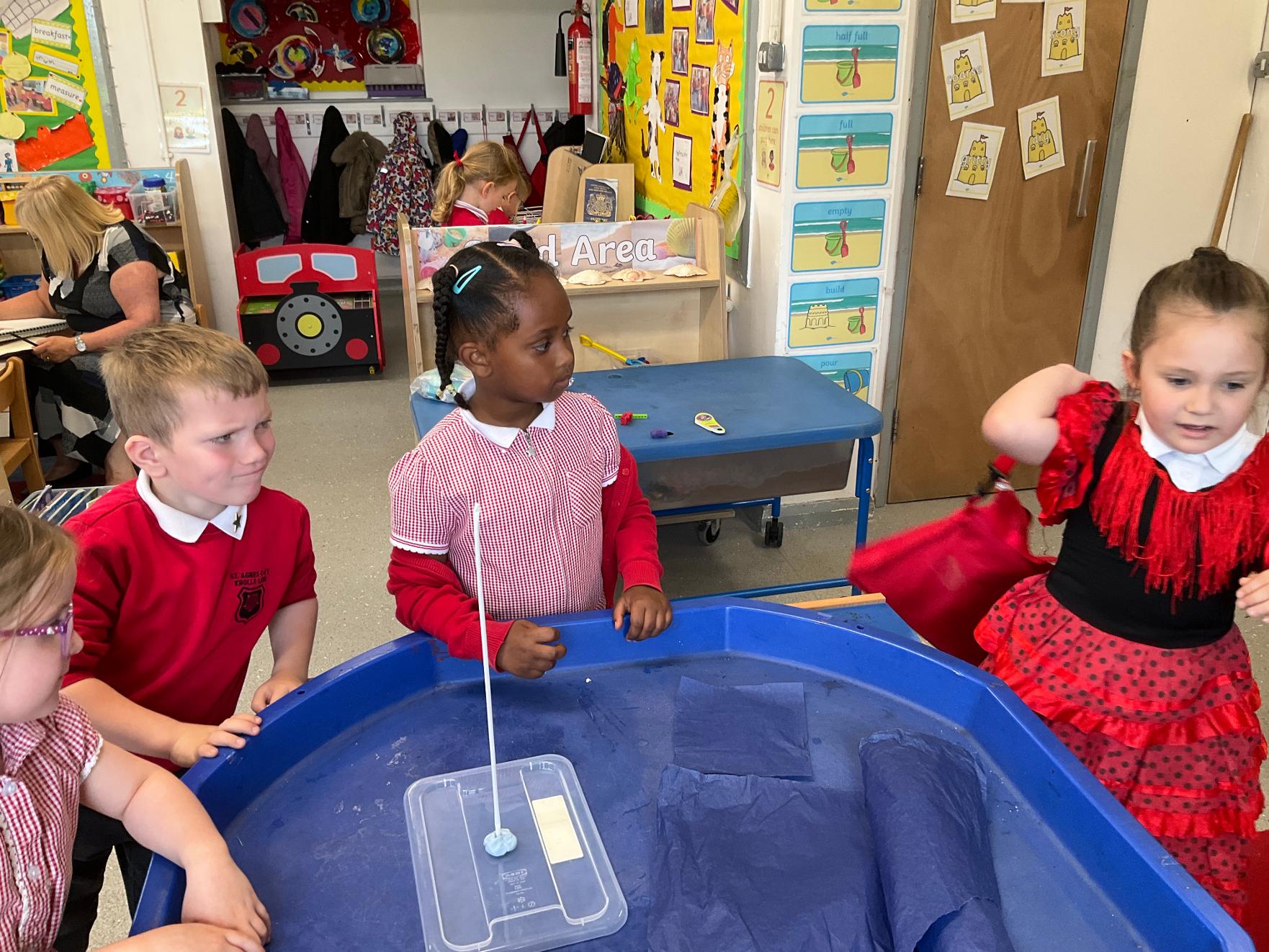

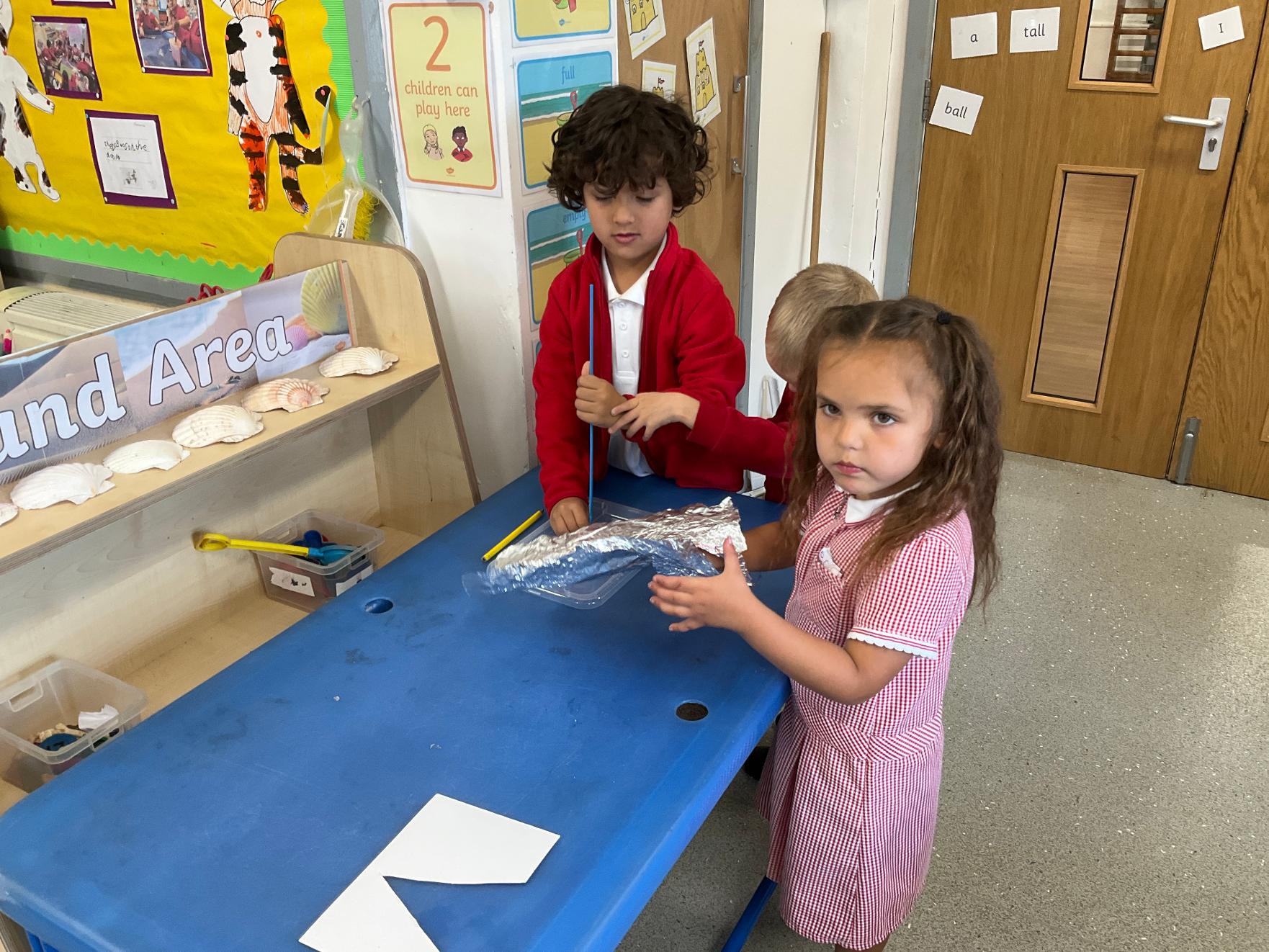

Class 1: The Great Science Share: Boats - June 2025
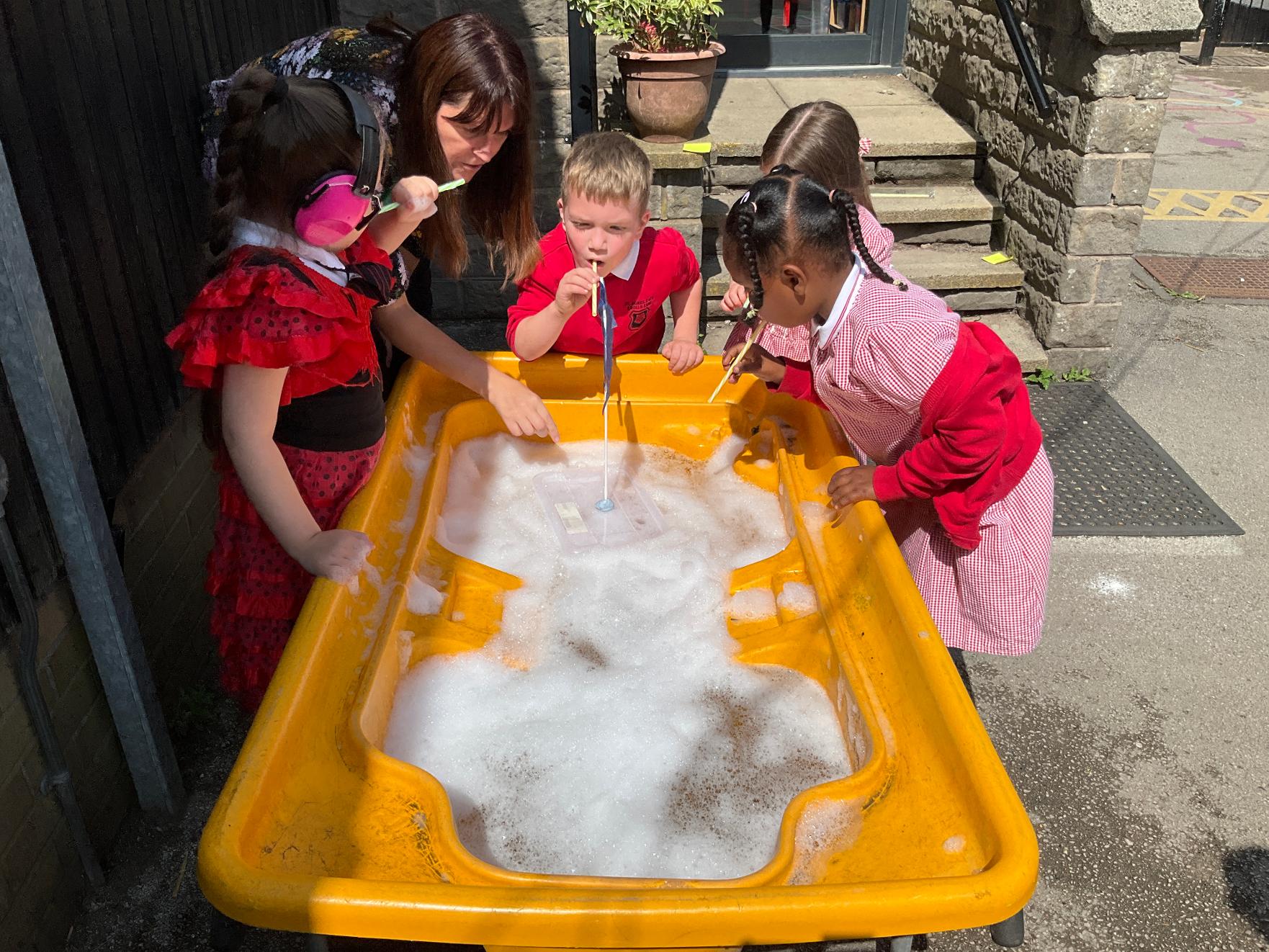
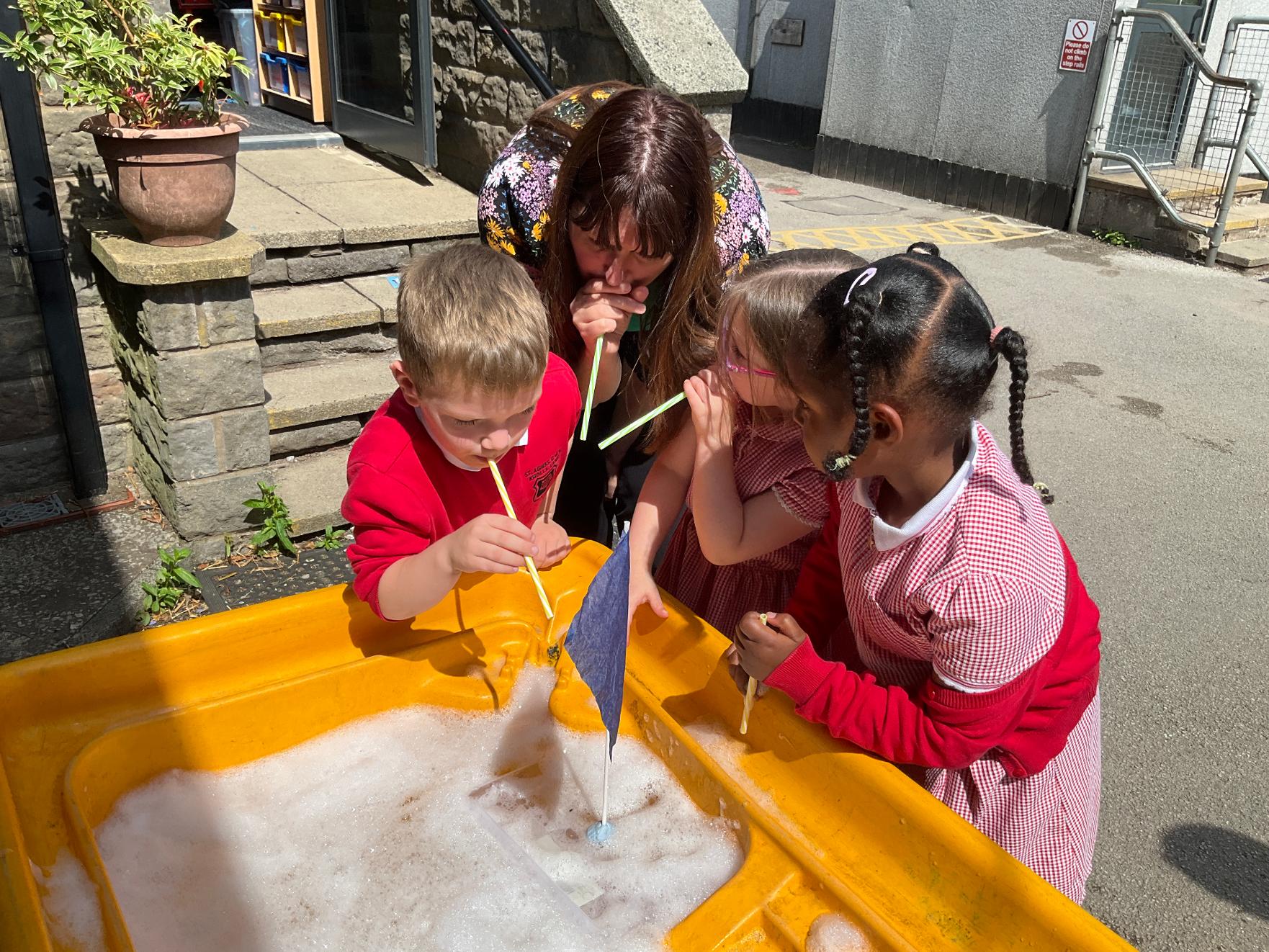
We made boats and changed the sail on each one, We changed the shape, material used and colour of each of the sails to see if any of these factors affected how the boat moved. We used straws to blow down to cerate wind to help our boats move.




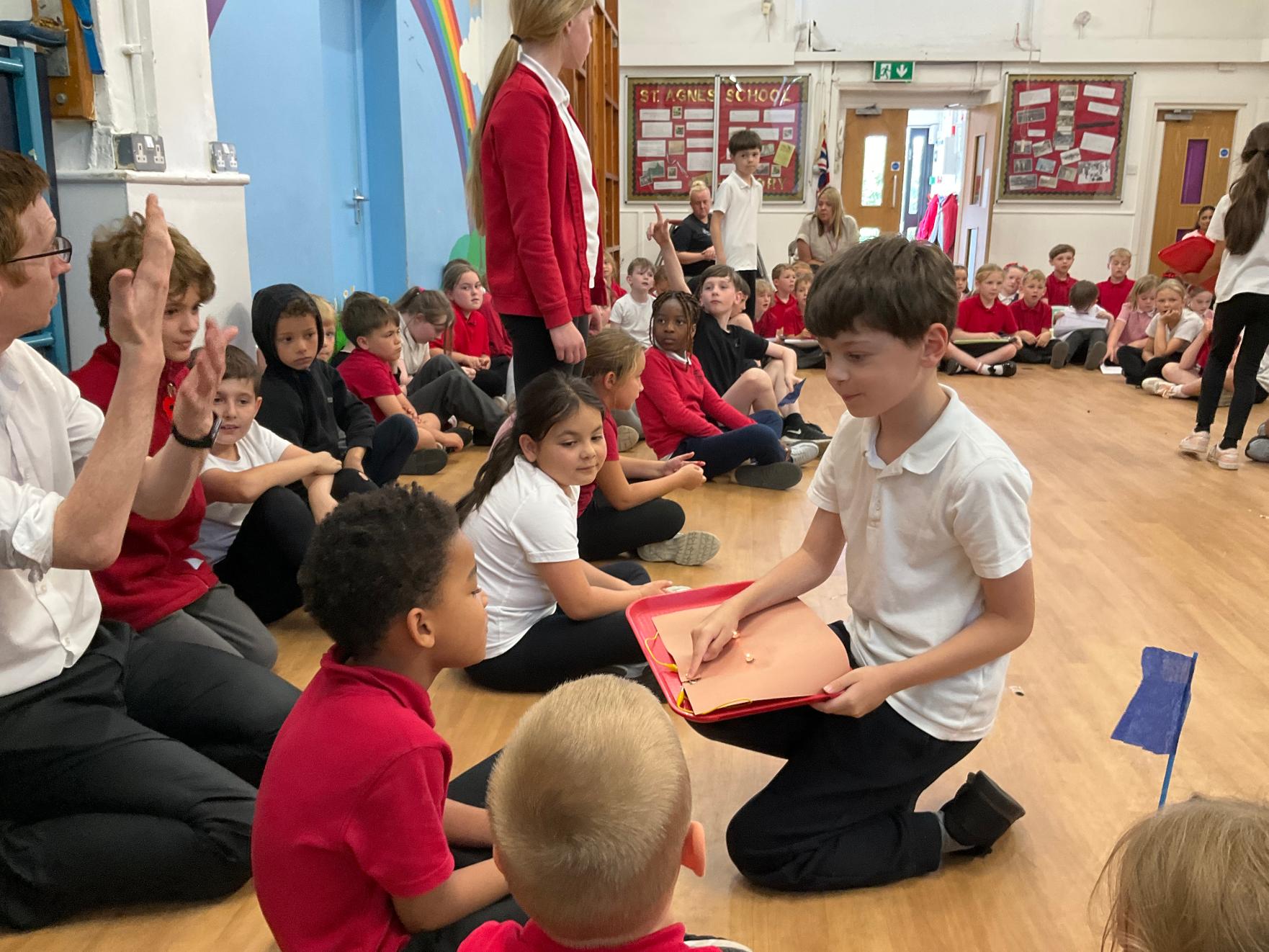
The Great Science Share - June 2025
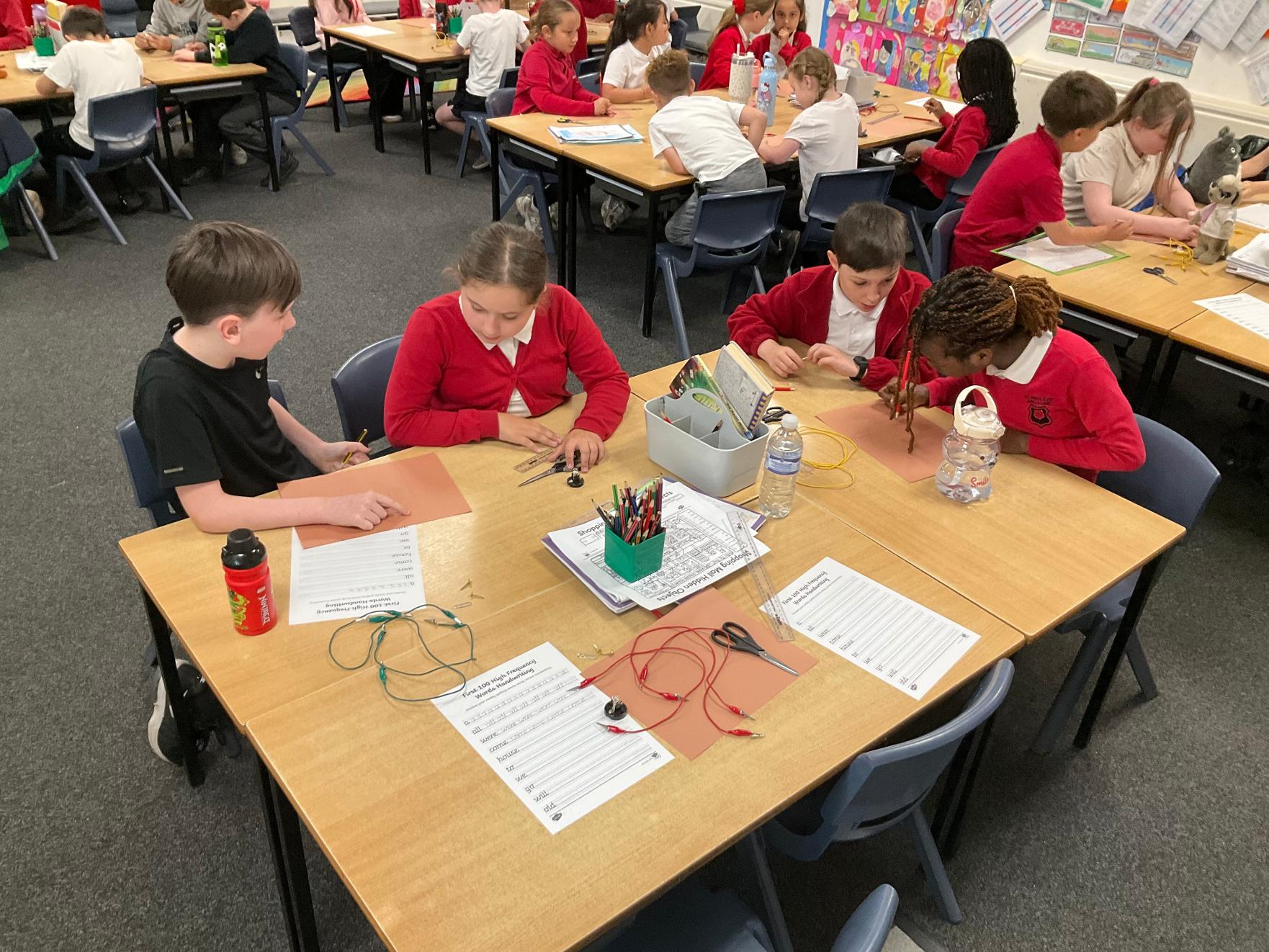
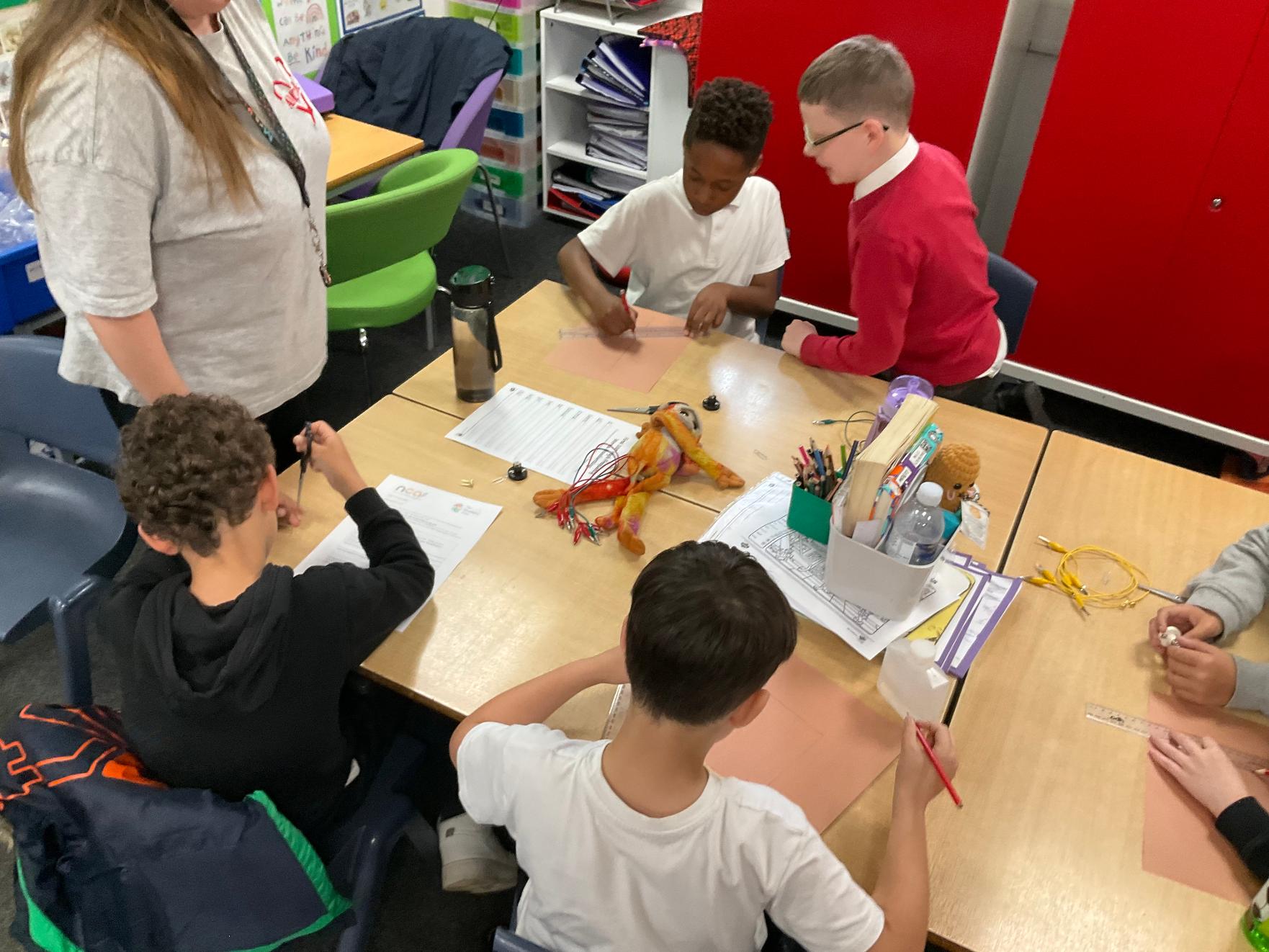
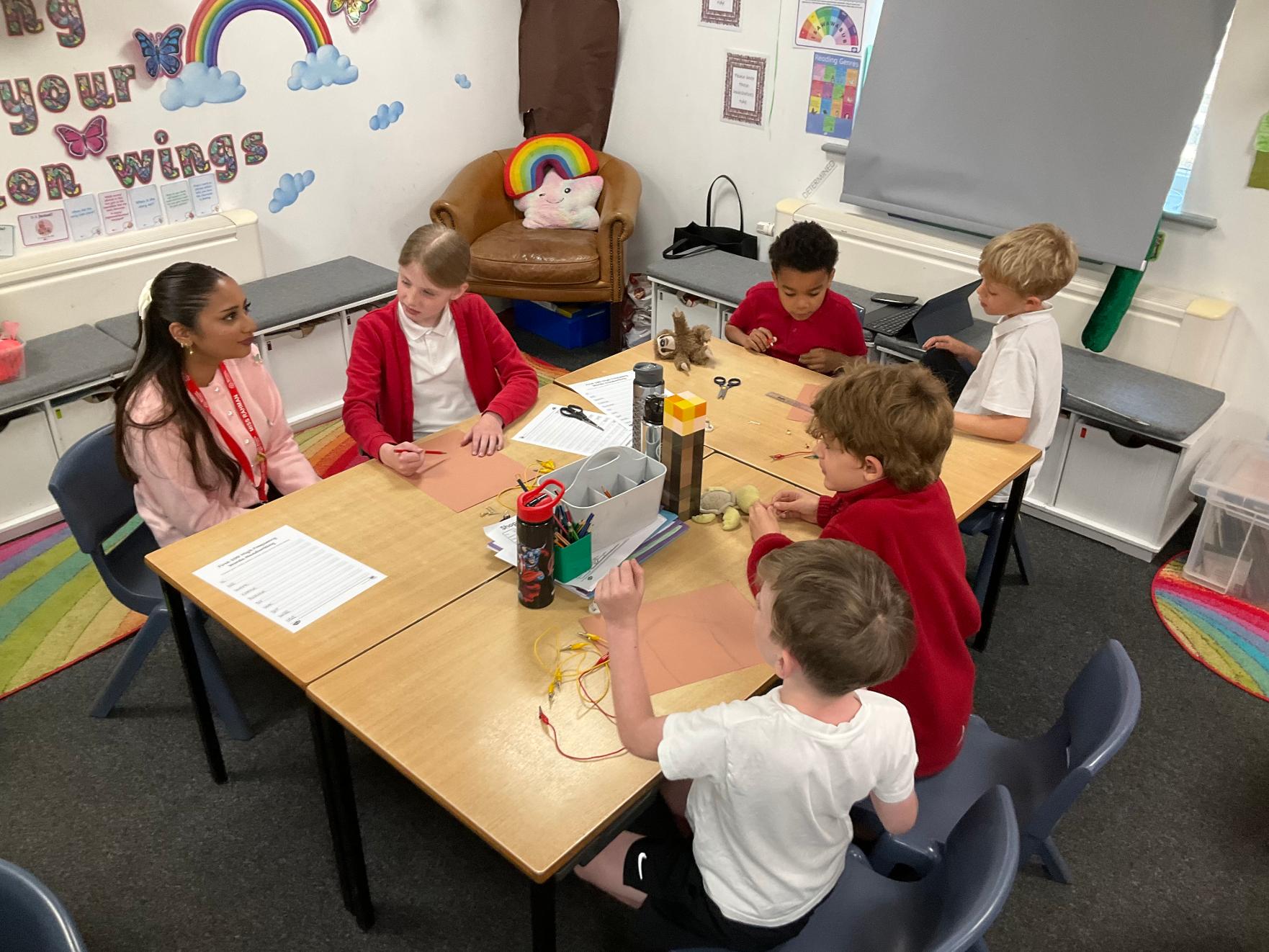
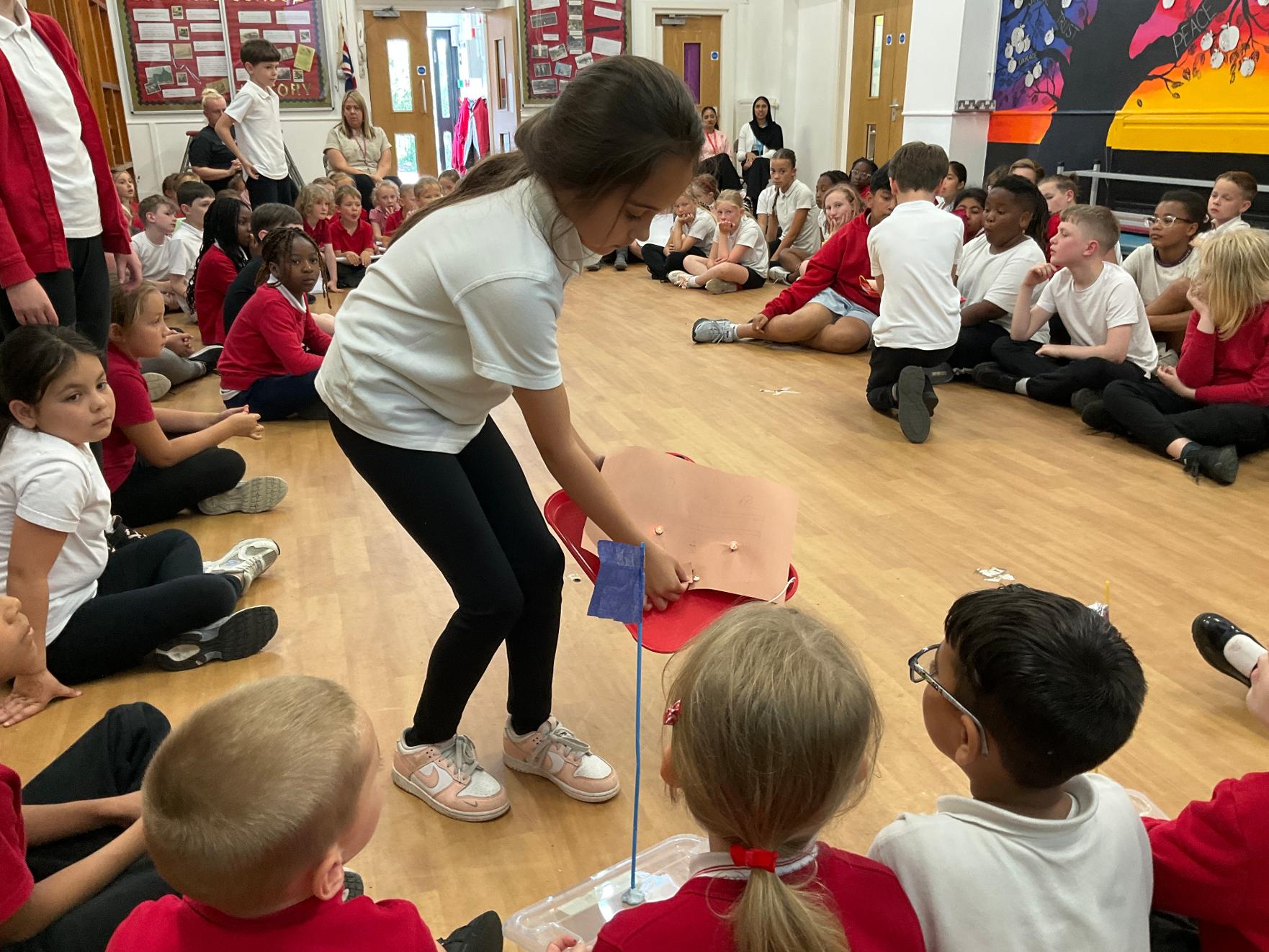
On Wednesday 18th June, St Agnes took part in Manchester University’s Great Science Share for Schools. Every class took part in a Science investigation in the morning and in the afternoon, we shared our learning in a special assembly. Class 1 investigated what factors made an effective sail for a raft, Class 2 learnt how to observe and produce botanical illustrations, Class 3 investigated electrical circuits and Class 4 used skittles to model coral bleaching in the ocean. Everyone had an amazing time and enjoyed sharing their learning with each other.
Class 2: Properties of Materials - November 2025
Investigating waterproof materials.


Class 3: Forces and Magnets (Strongest Magnet Test) - October 2025
The children compared different magnets using paperclips to see which one was the strongest. They recorded their results carefully and enjoyed seeing how the magnets performed in this simple but engaging investigation.
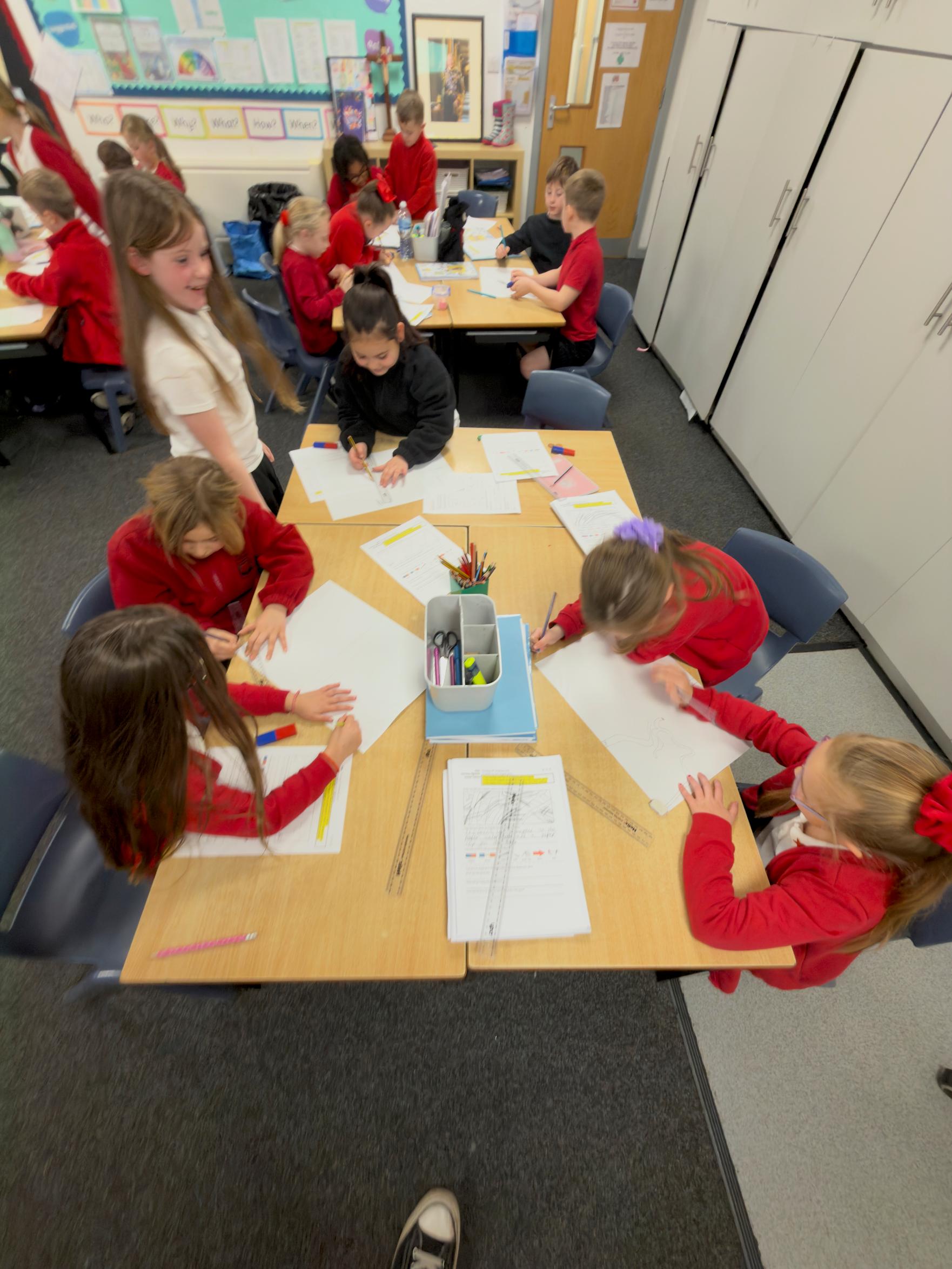
Class 3: Forces and Magnets (Magnetic or Not?) - October 2025
Armed with magnets, the children explored the school to find out which objects were magnetic. They were especially surprised to discover that some 2p coins weren’t magnetic at all - a perfect reminder that science often challenges what we expect.
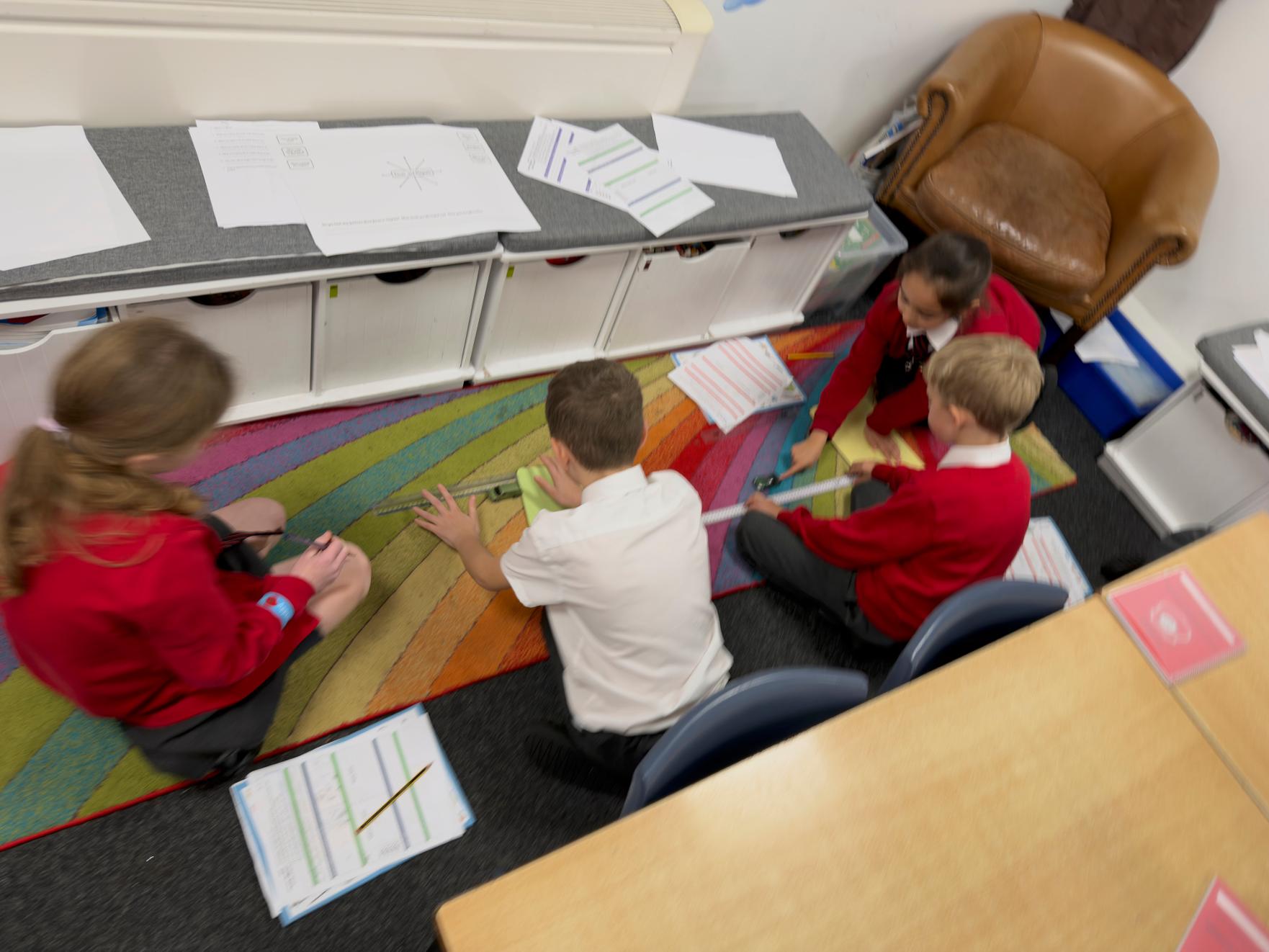
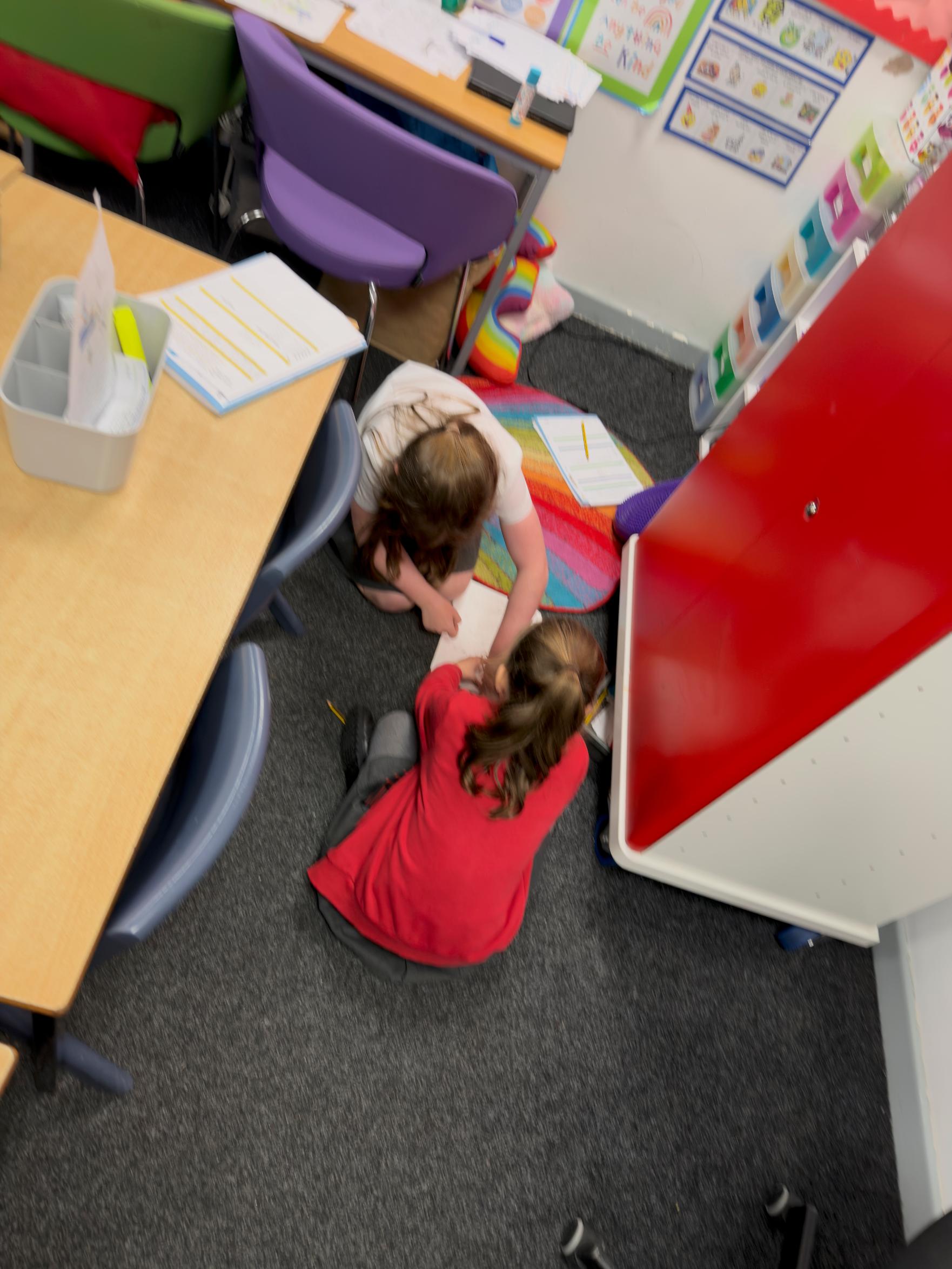

Class 3: Forces and Magnets (Pushes, Pulls, and Catapult Cars) - November 2025
To understand what a force is, the children tested how far they could push and then catapult and a toy car. They repeated each test to make it fair and compared the results, showing real focus and curiosity throughout.
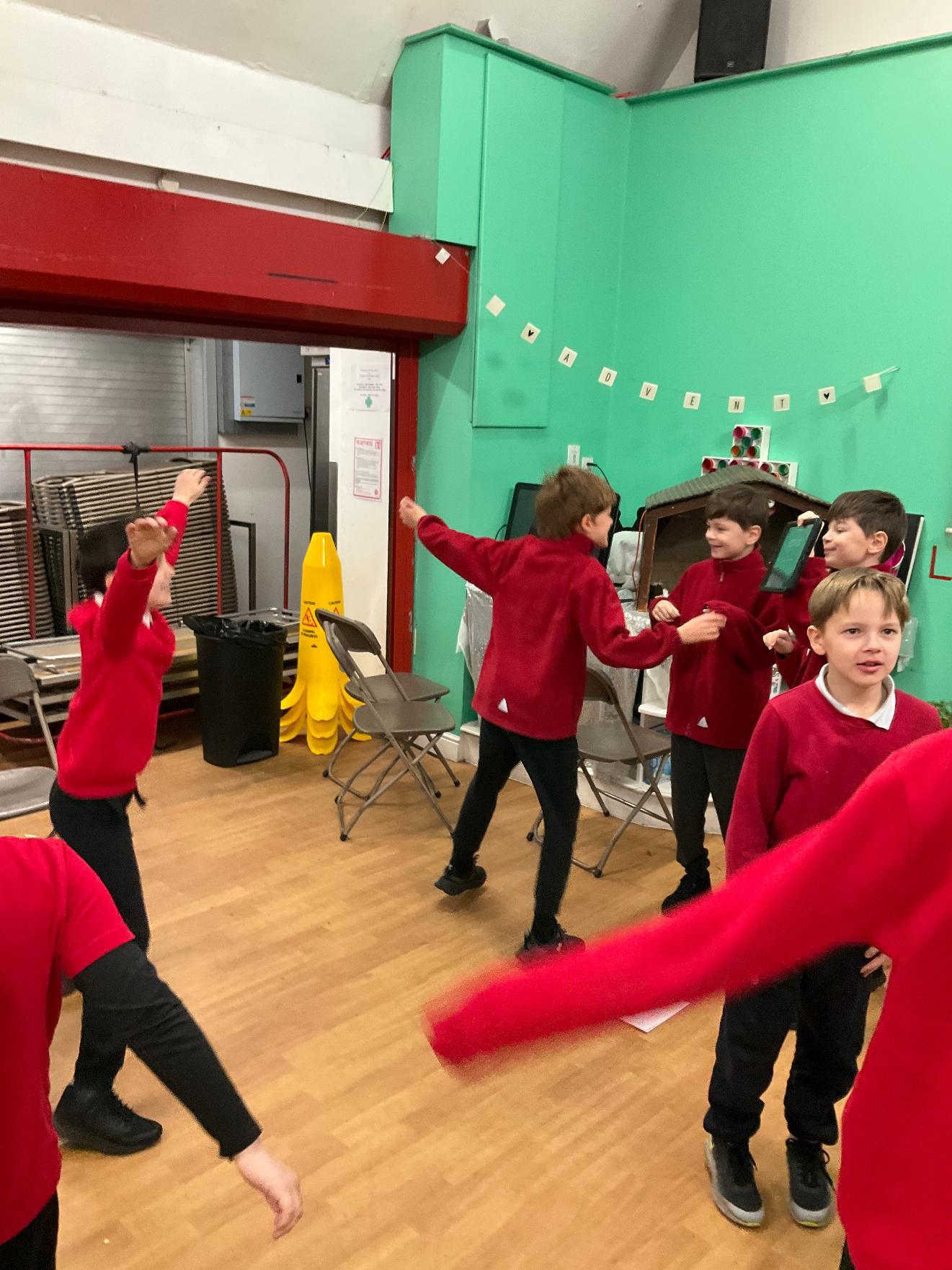


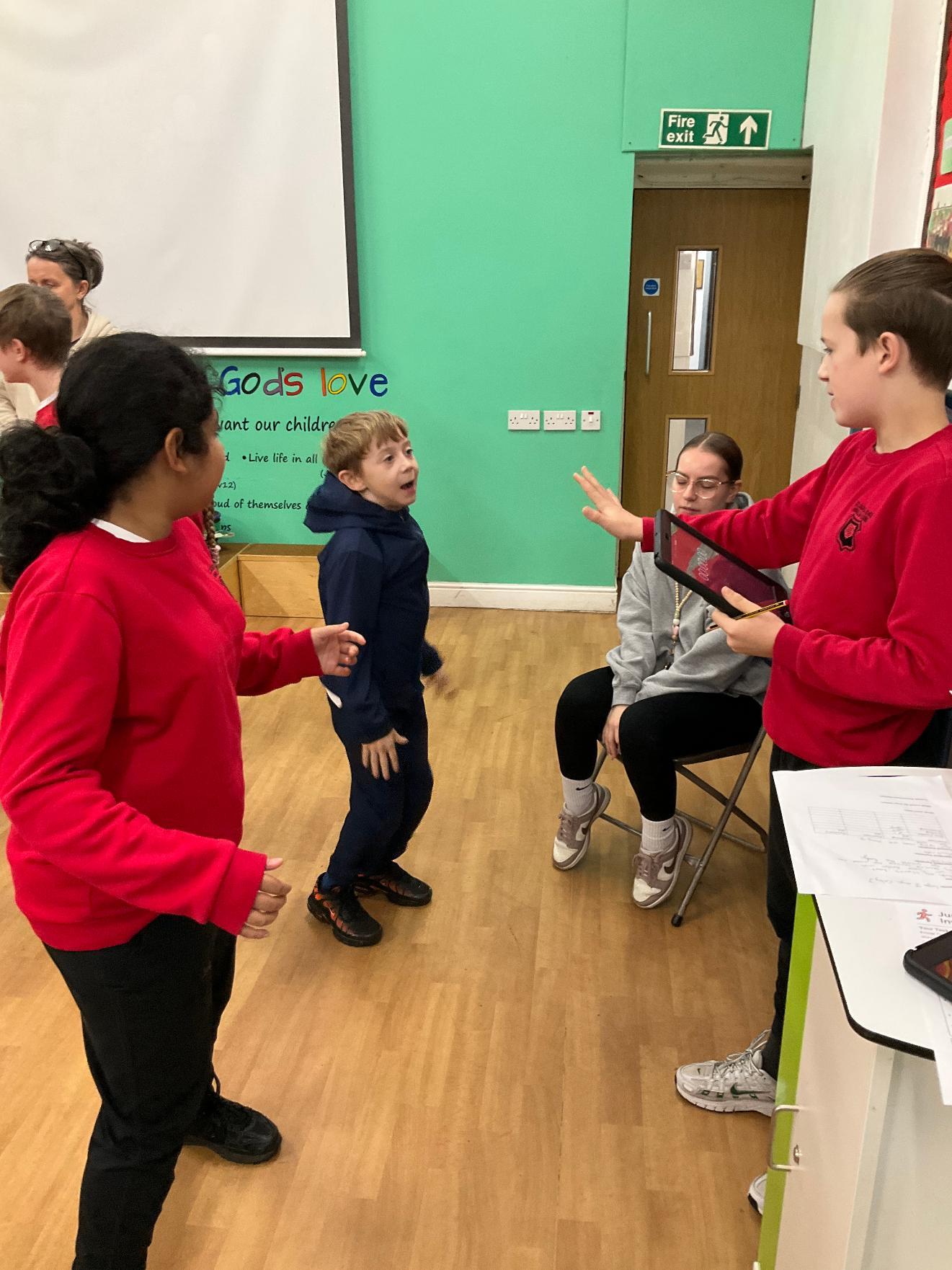

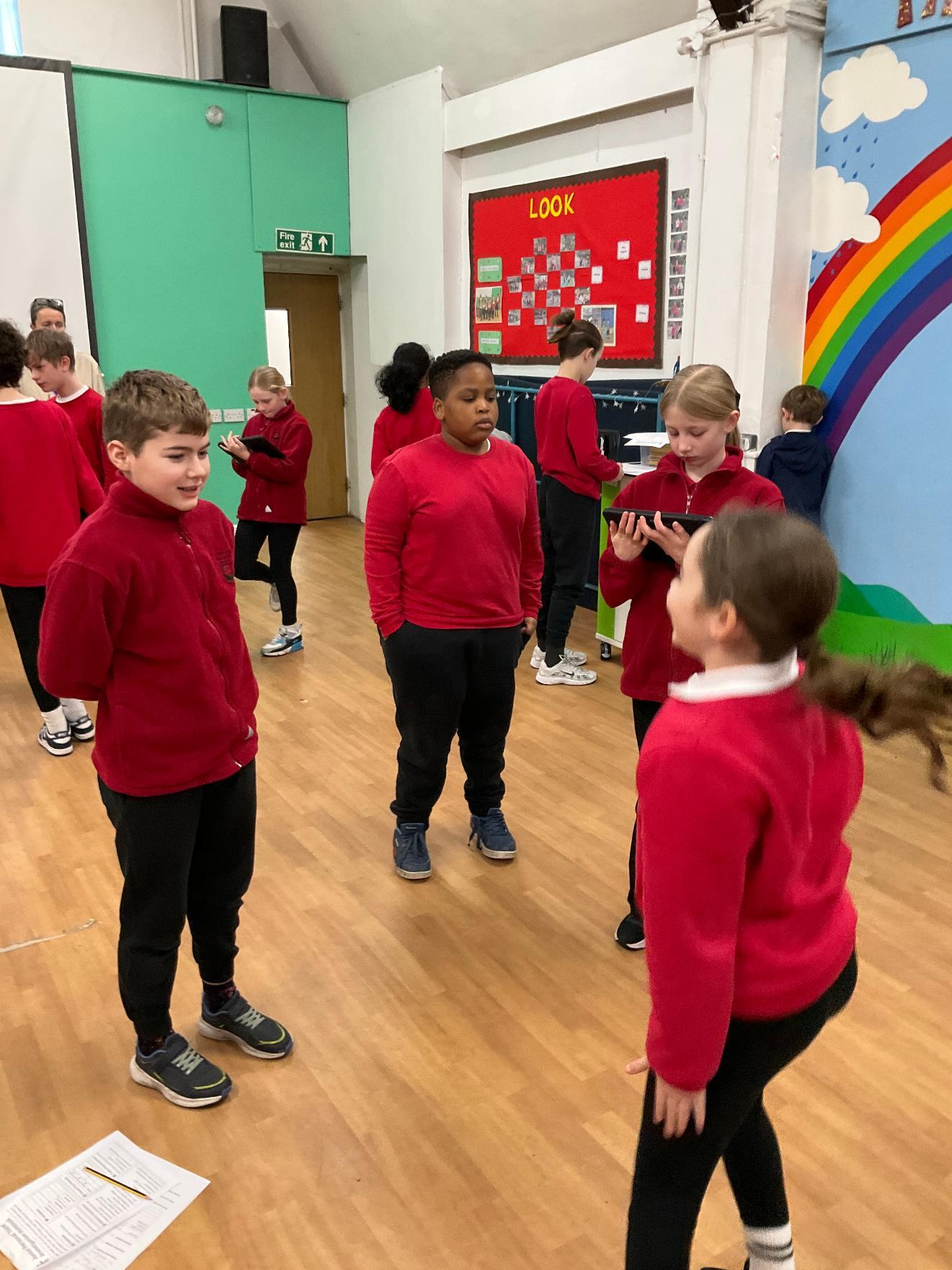


Class 4: Exercise Investigation - December 2025
The children planned and investigating an experiment to show the effects of exercise on heart rate. They discussed variables and assigned roles to make the experiment as fair as possible.


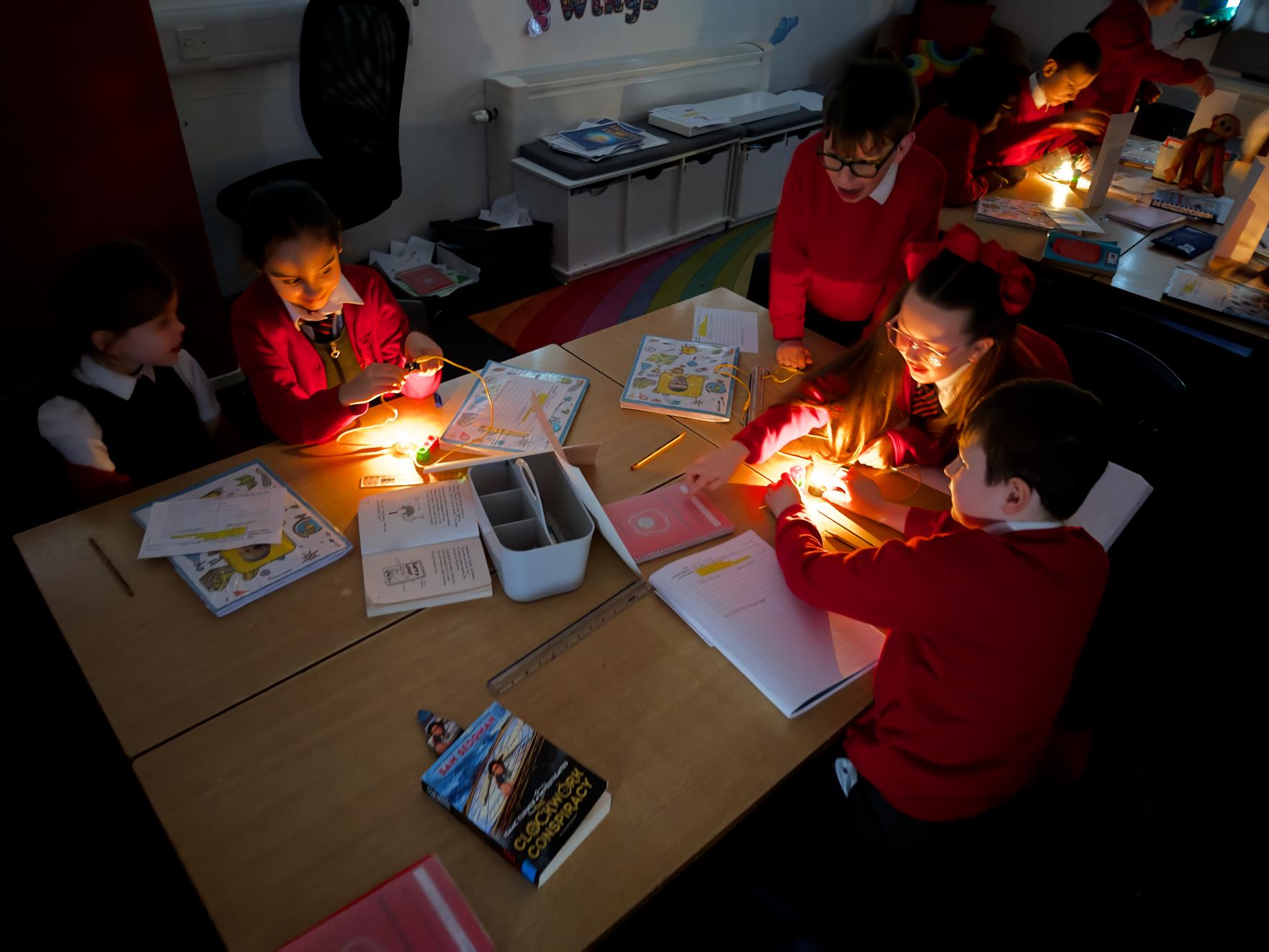

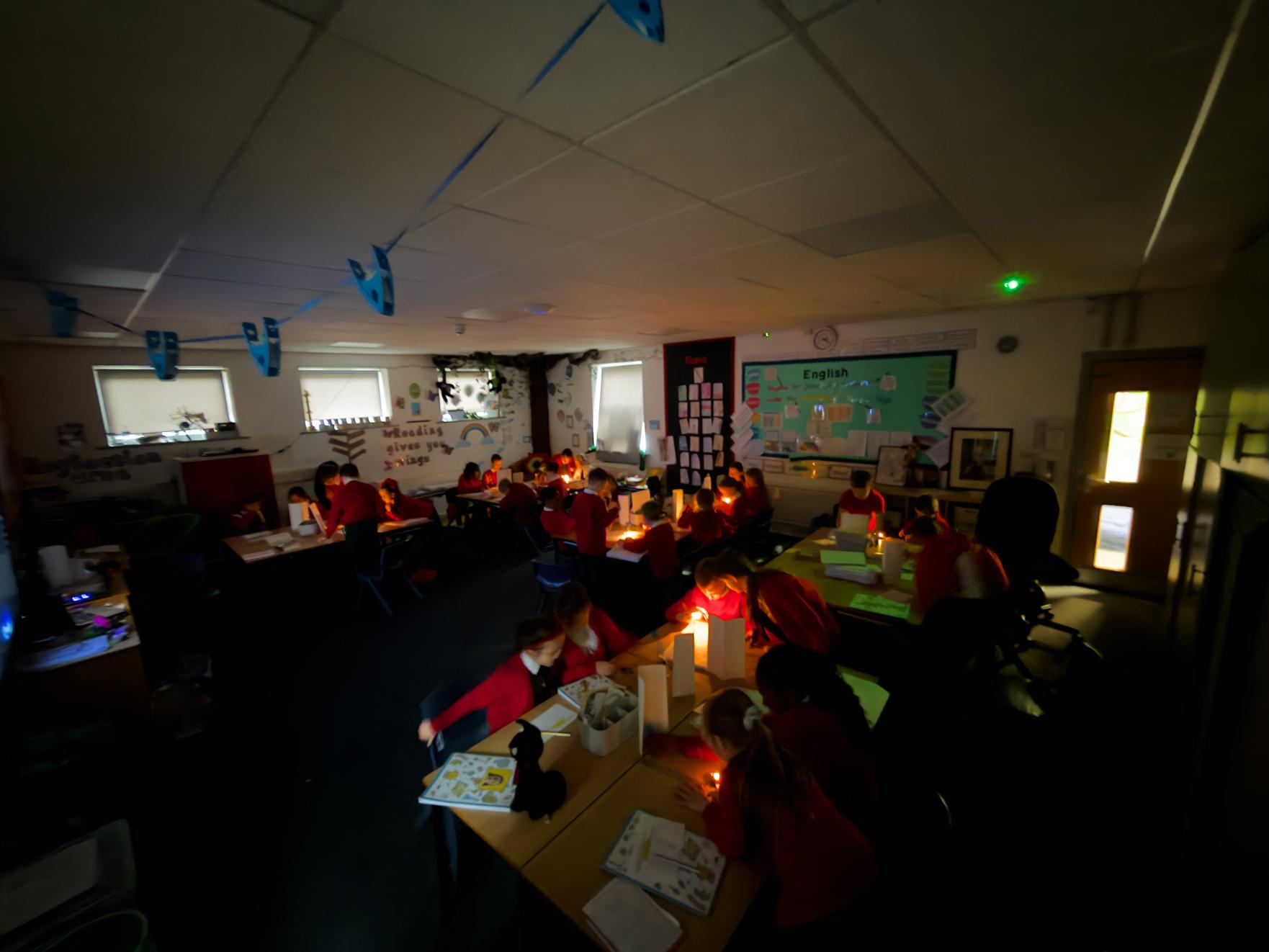
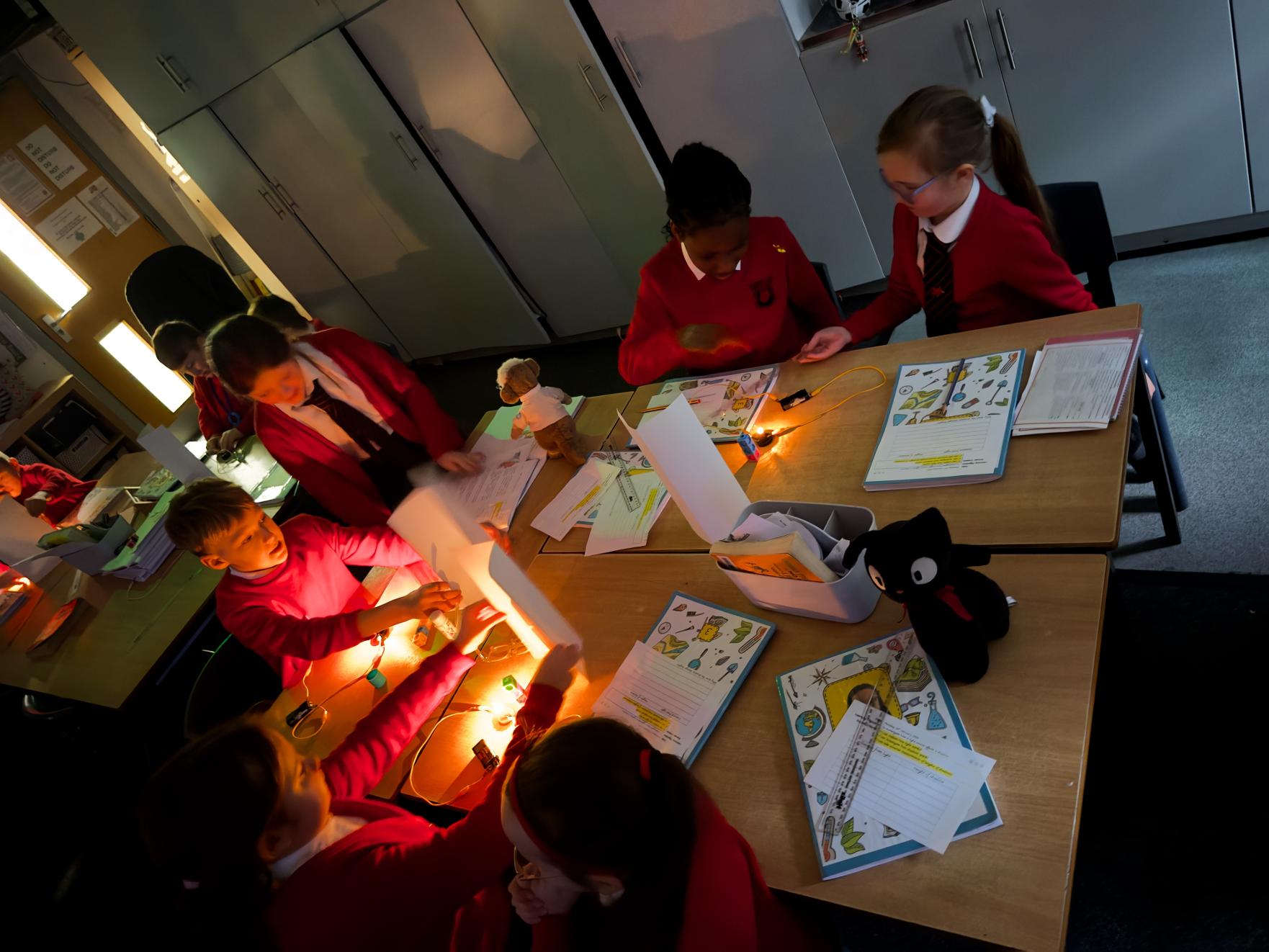
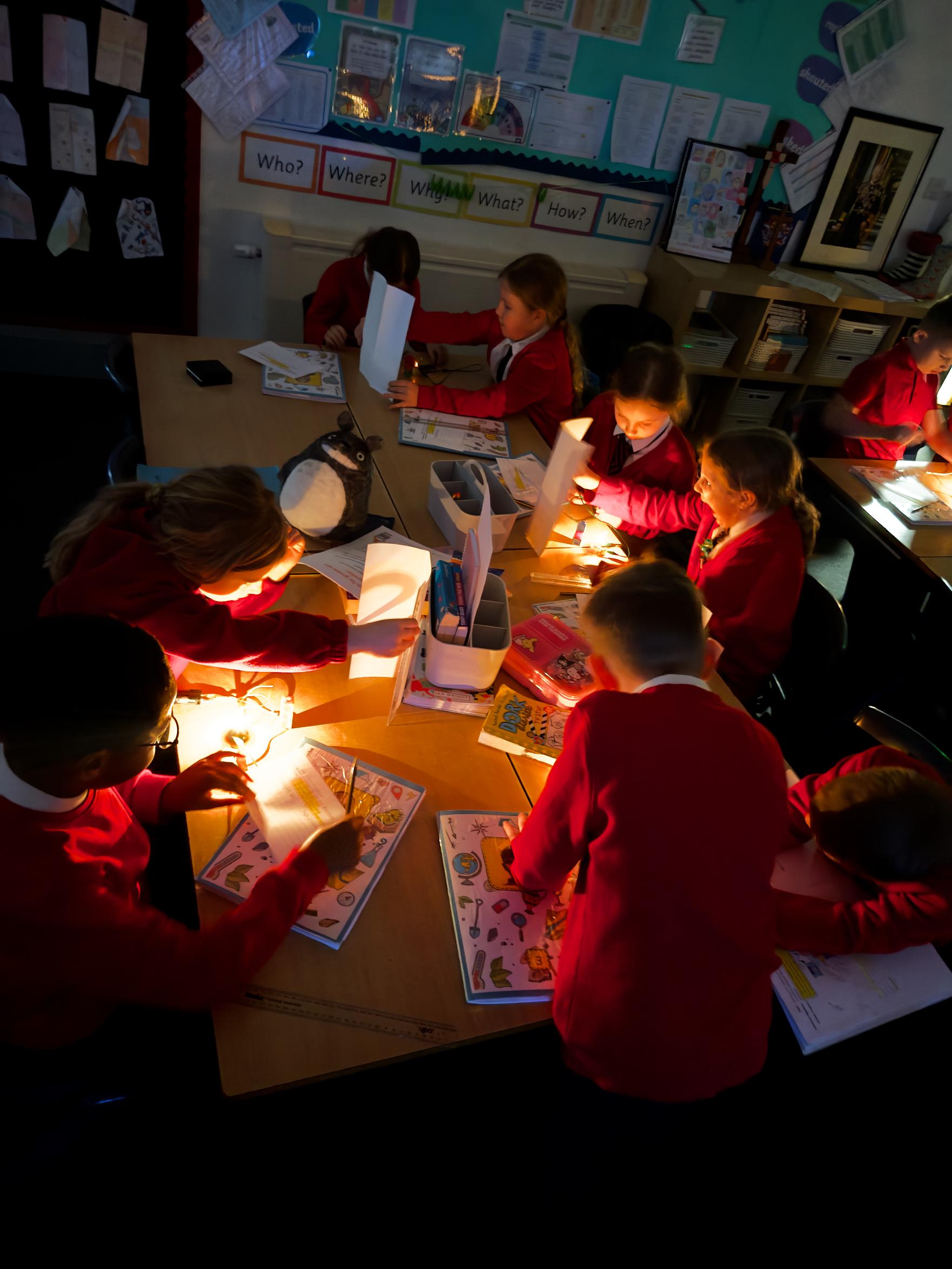
Class 3: Light - January 2026
As part of their work on light, the children investigated shadows through practical, hands-on activities. They carried out fair tests to explore how shadow length changes, carefully measuring and comparing results as the position of the light source was altered. A great example of the children applying their scientific enquiry skills to understand how light behaves.




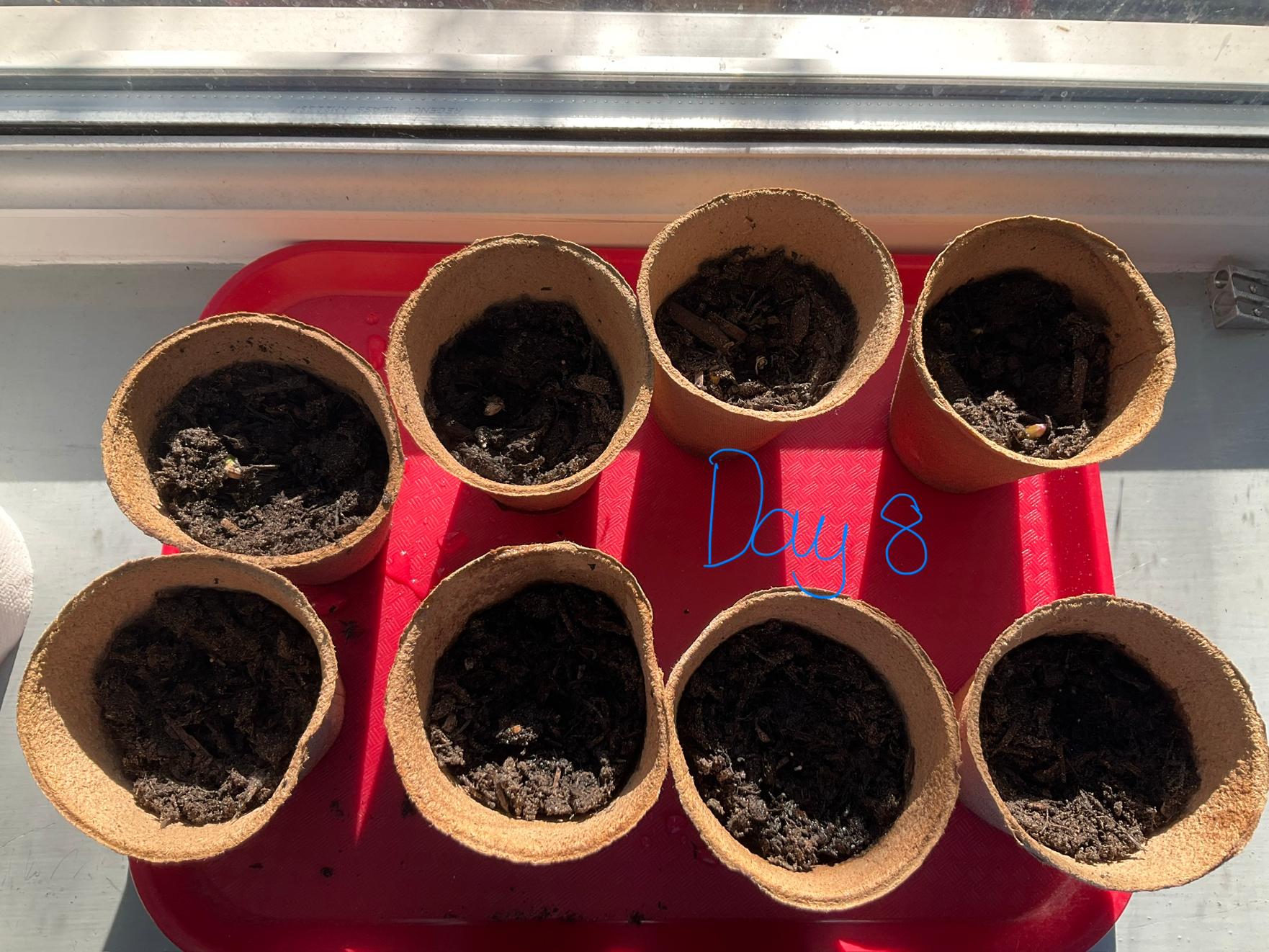
Class 4: Signs of Spring - March 2026
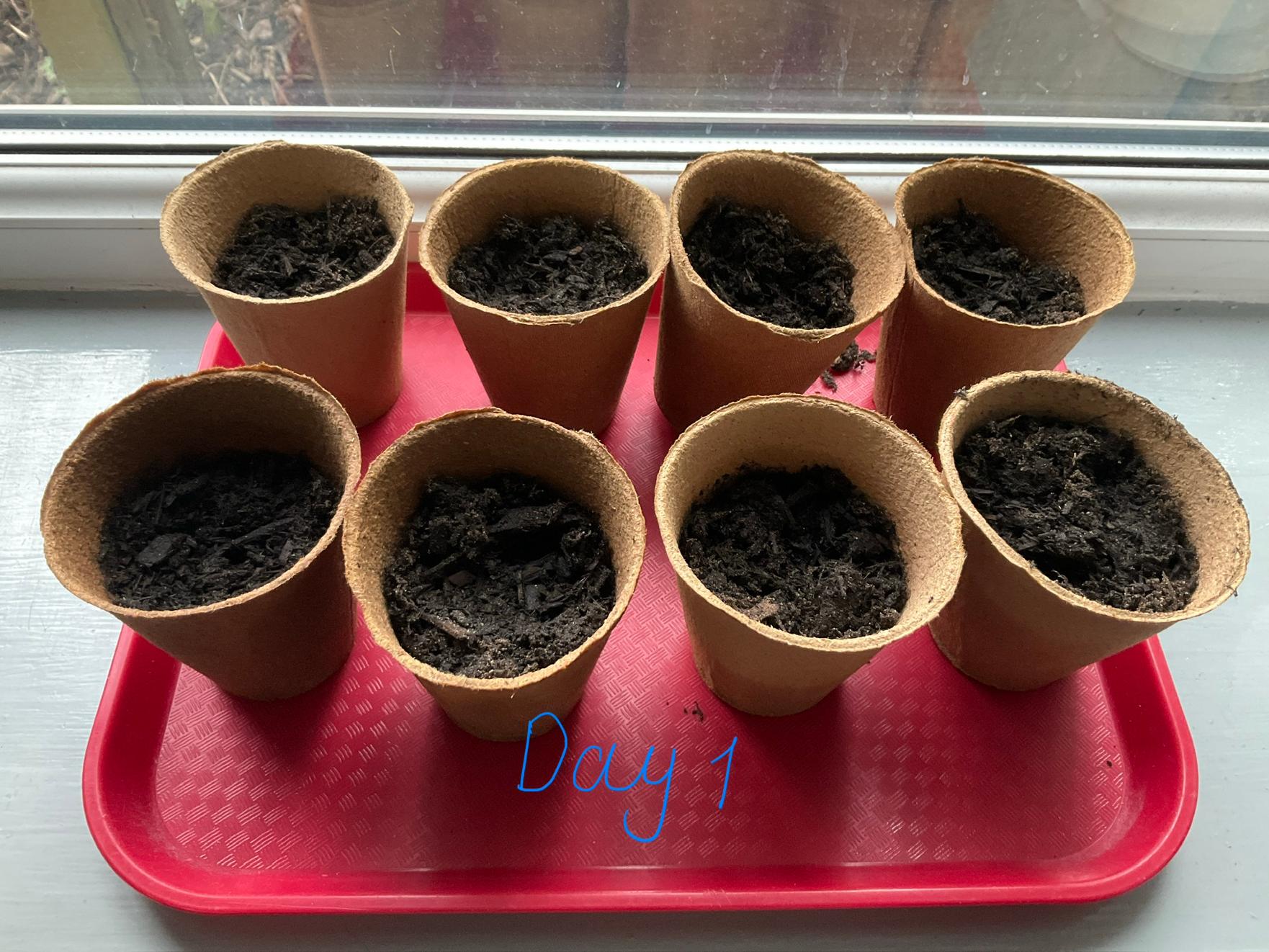
The children went on an investigation for signs of Spring and seasonal change in the playground and have started to grow their own sunflowers.

Class 2: Planting Seeds
We have been planting seed as part of our topic about plant life cycles.


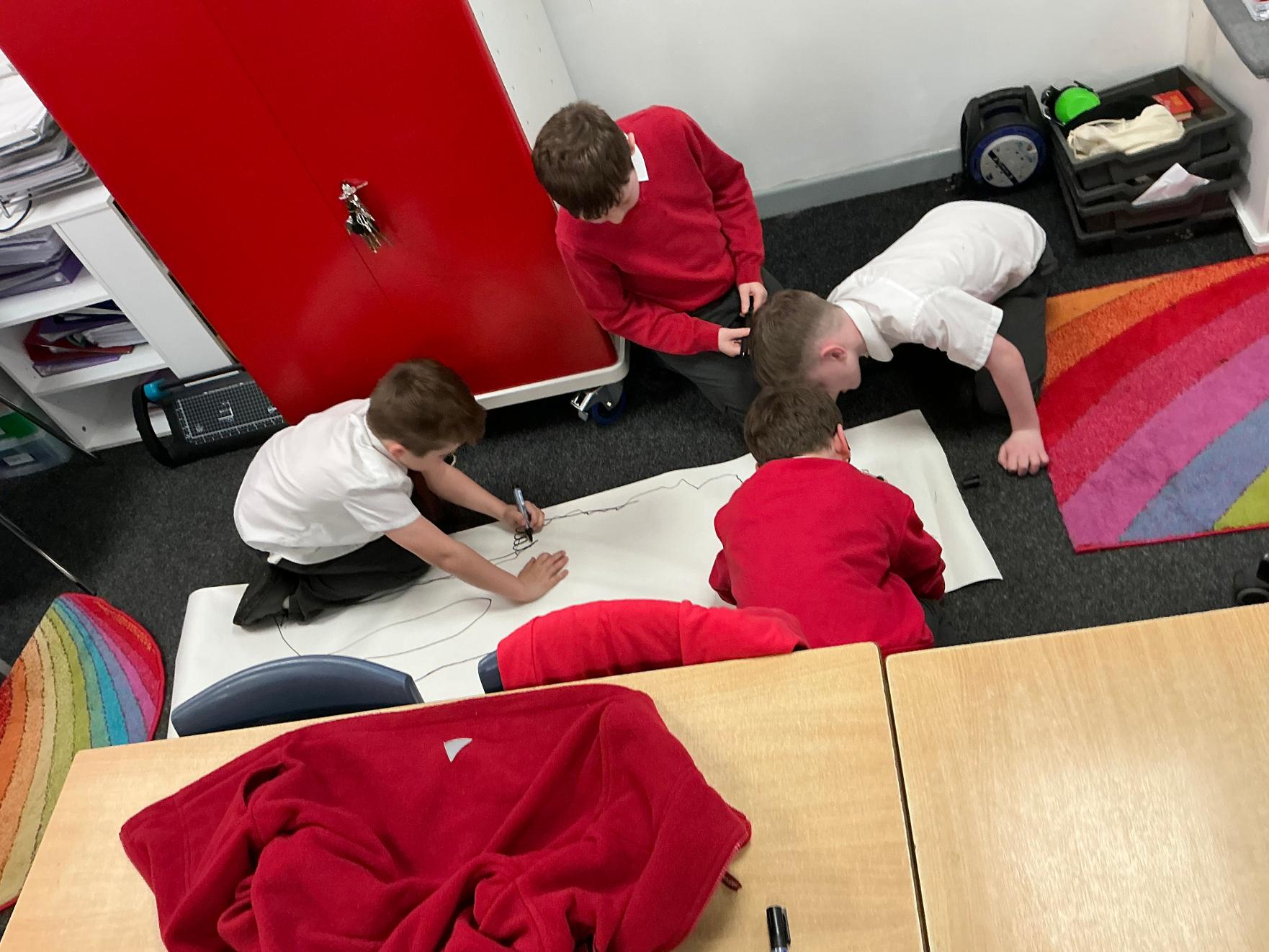


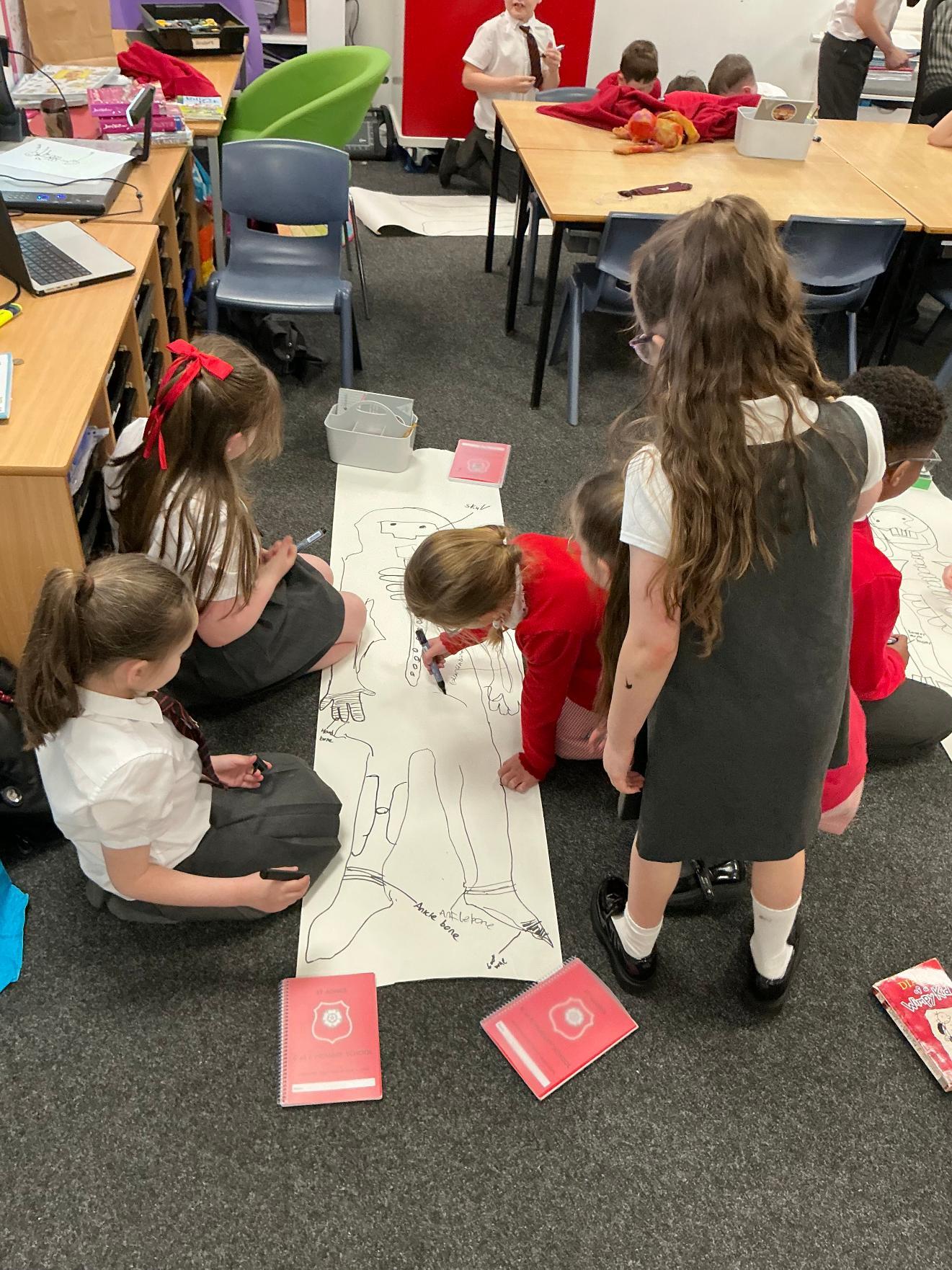
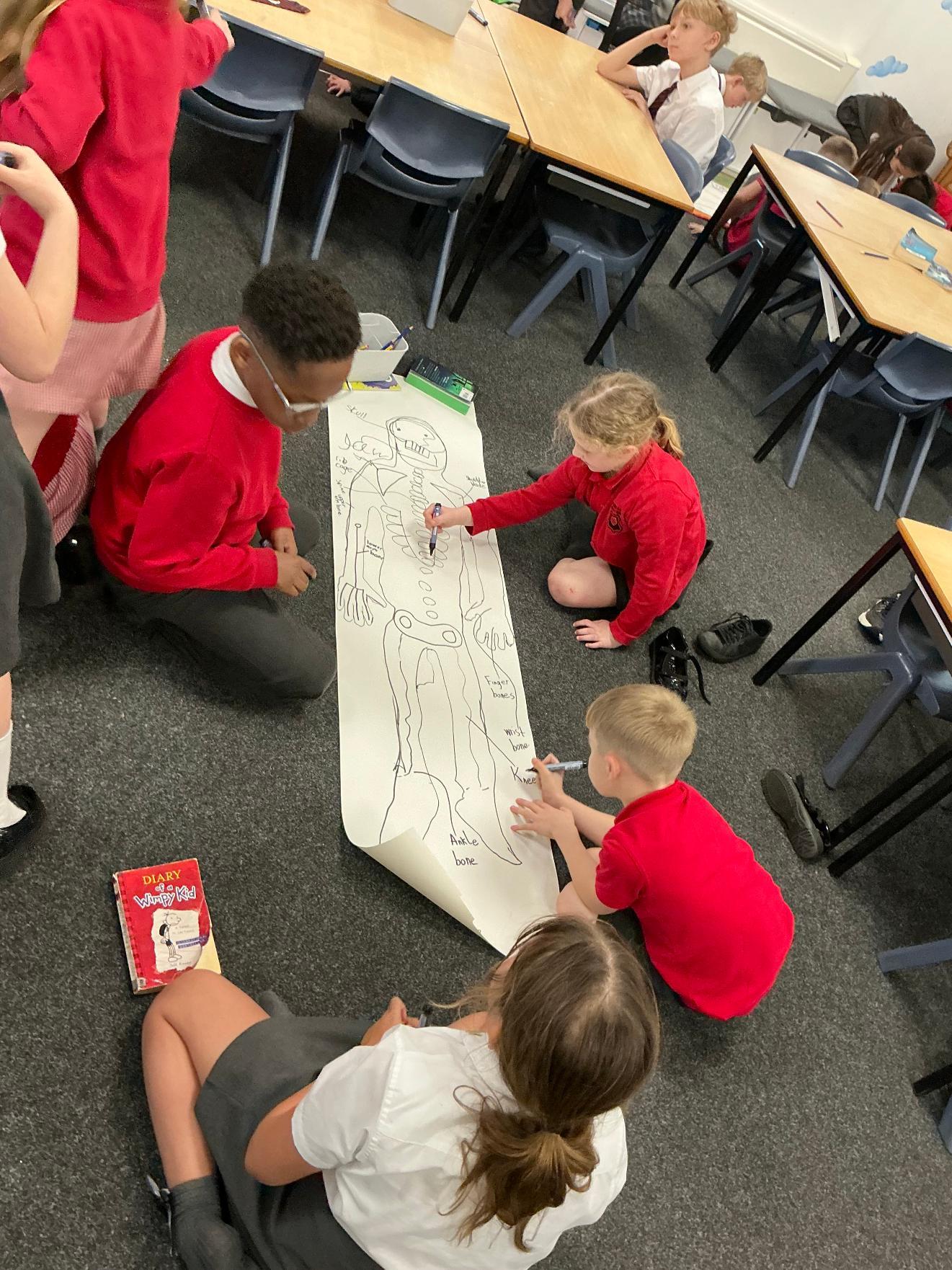

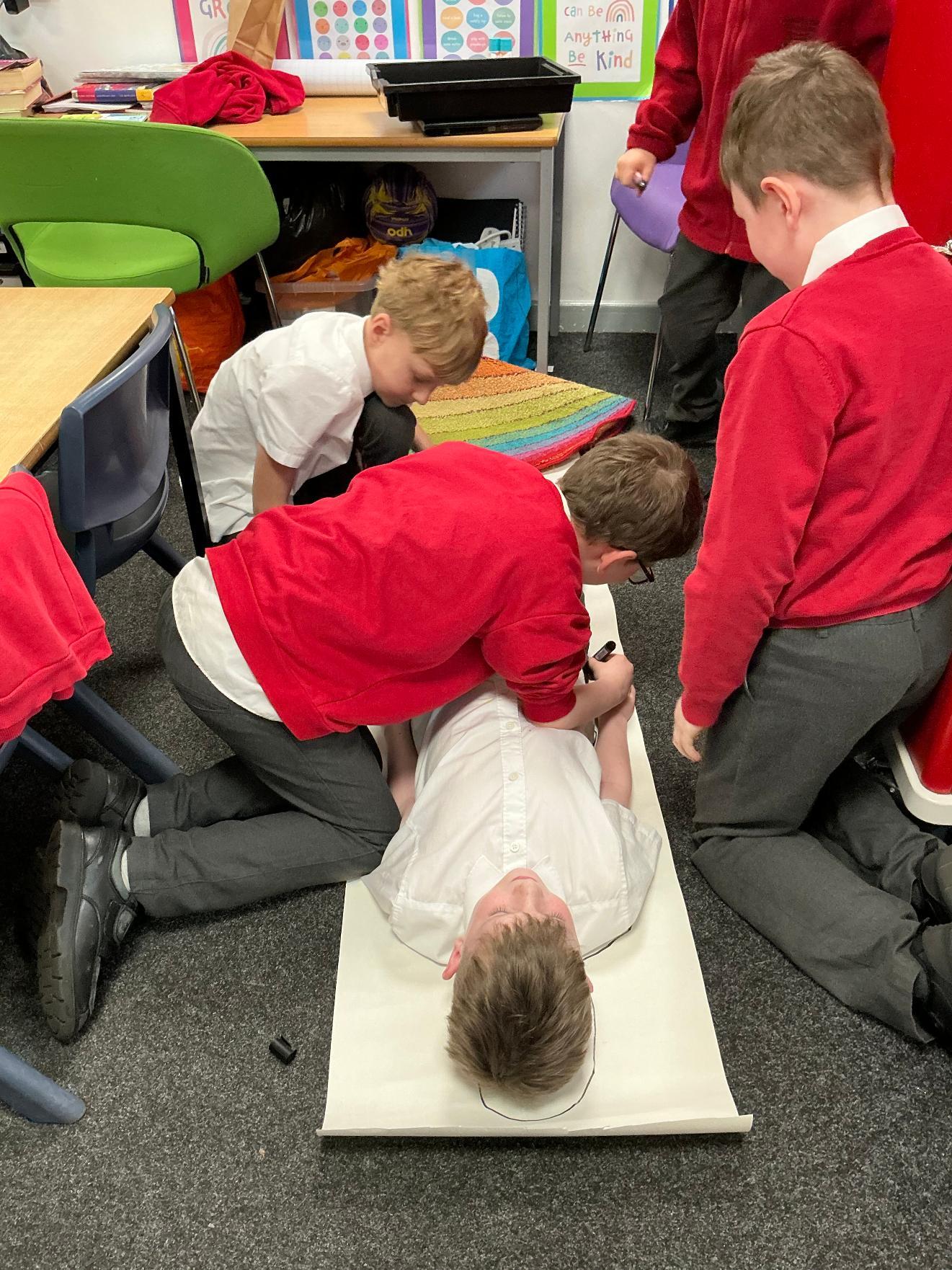


Class 3: Bones & Bodies - April 2026
Throughout this science topic, the children explored the importance of skeletons and how they support, protect and help the body move. They took part in practical activities, including drawing around their bodies, positioning skeletons and labelling key bones. As part of their learning, they identified different bones and discussed their functions, while also considering how muscles work with bones to create movement. This hands-on work helped the children build a clearer understanding of human and animal skeletons.

Class 2: Neil Armstrong Class Assembly - May 2026
Class 2 did an assembly about Neil Armstrong for the school and parents, showing off all their learning.
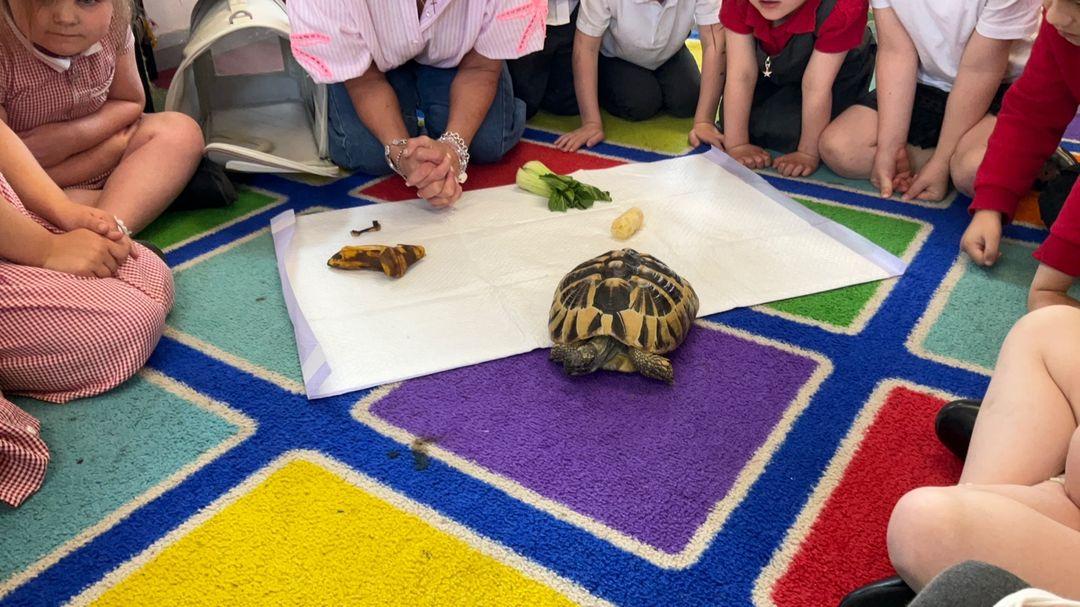

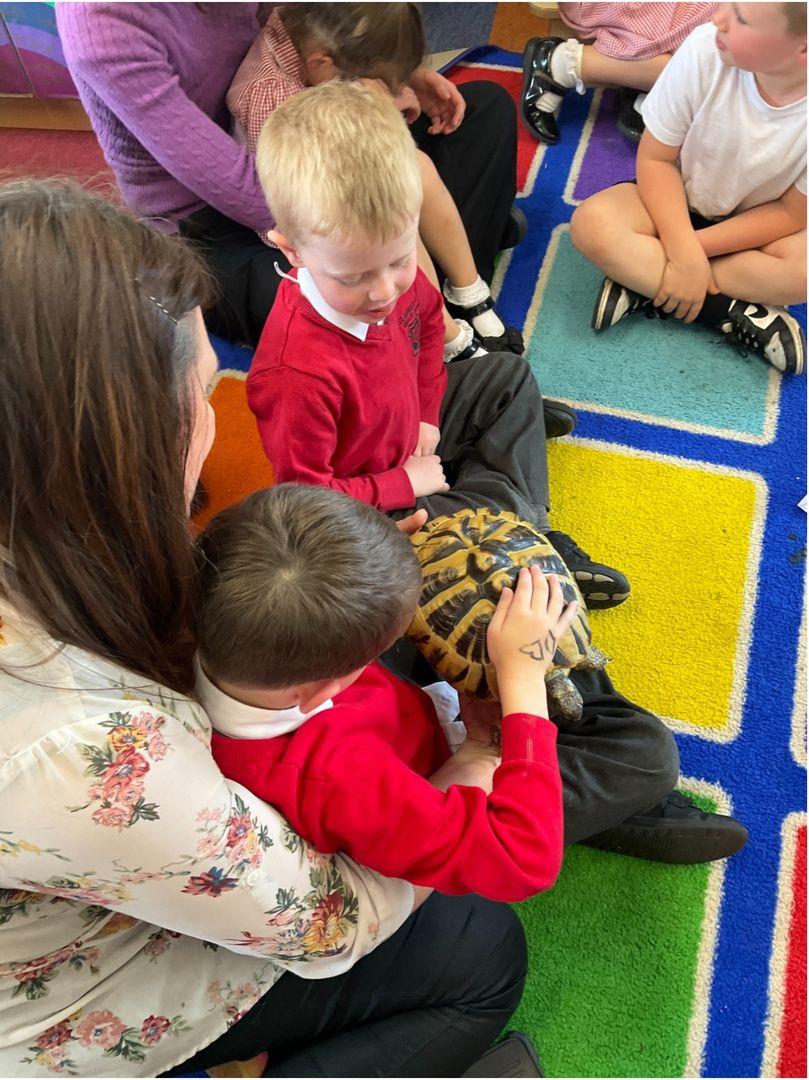
Reception: Tortoises - May 2026
We have been learning how to look after tortoises. We had a visit from Minnie and Pebbles.

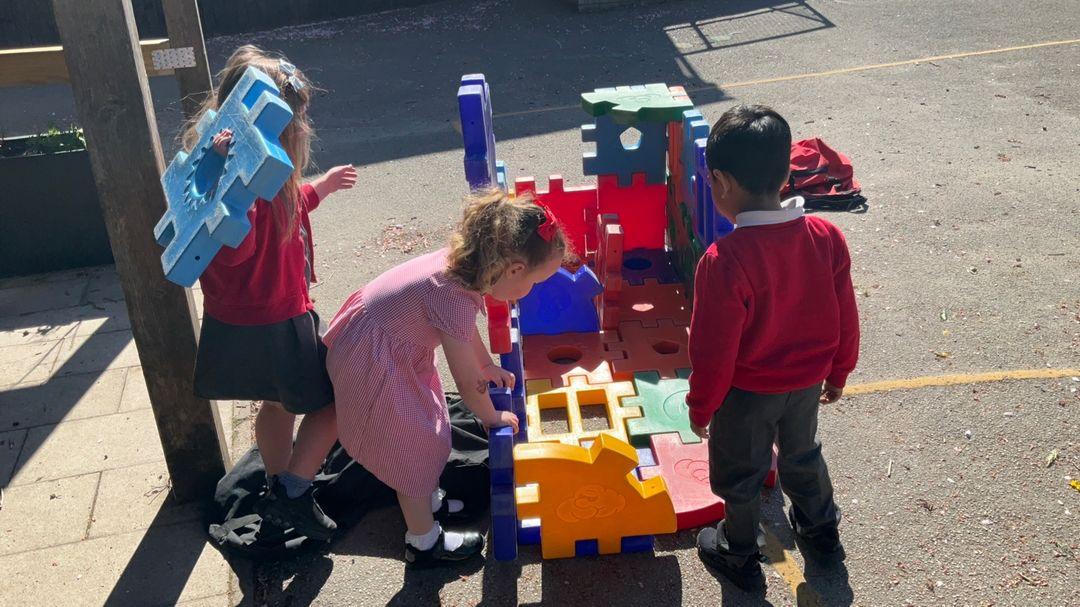
Reception: Minibeasts - May 2026
We had fun playing with minibeasts in slime.
We have been learning about bees as part of our Minibeast topics. We made a bee hive with the large constrcution.